The theory of phenotypic dermatology: technologies and research that are changing the understanding of the diagnosis and treatment of skin diseases.






Watch a movie and read a book electronically for free here.
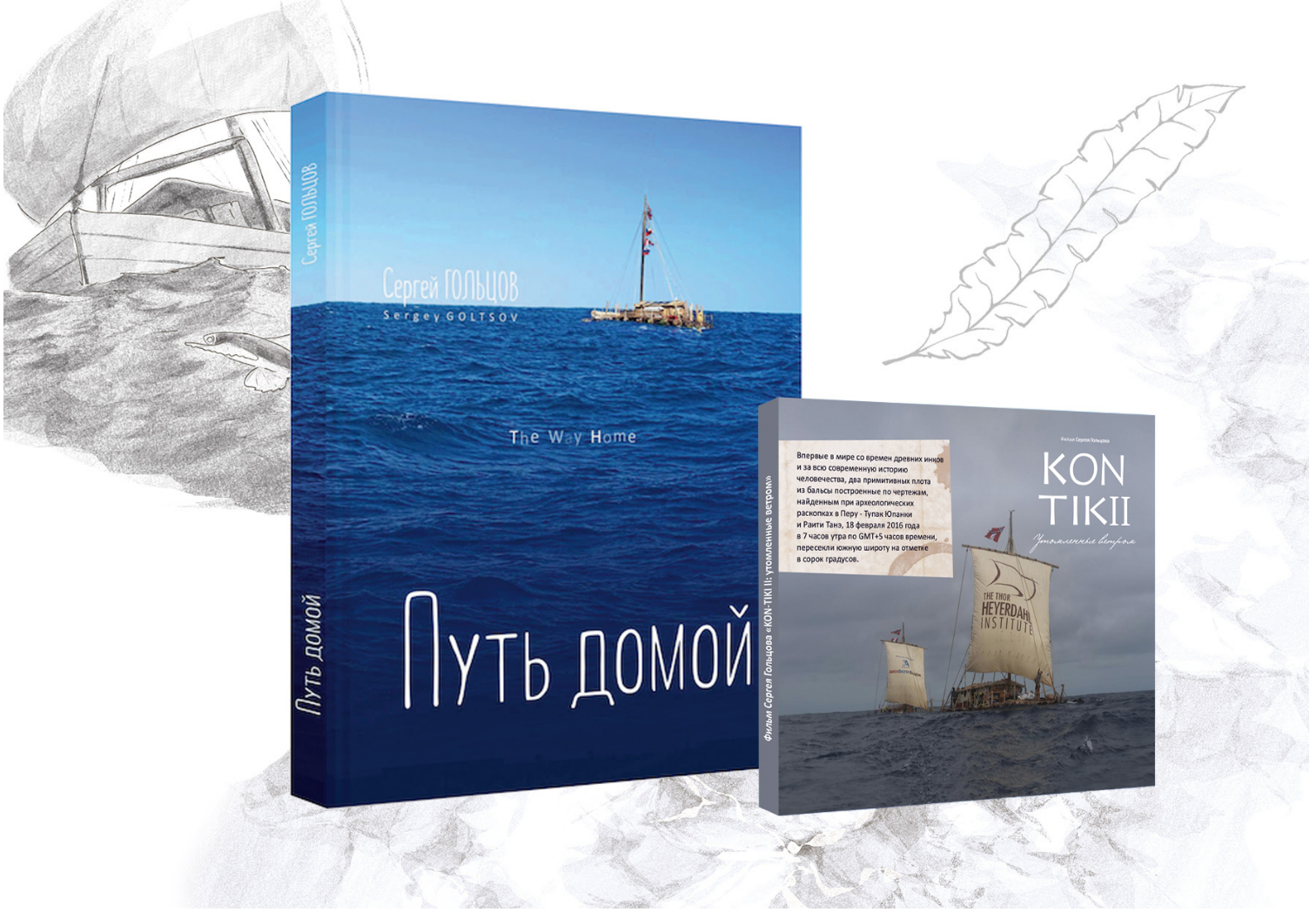

Документальный фильм «KON-TIKI II: утомленные ветром» стал:
Лауреатом Всероссийского Фестиваля документальных фильмов в области путешествий и туризма «Русский путешественник-2017» в номинации «Приключенческая Россия»
Лауреатом Московского международного кинофестиваля горных и приключенческих фильмов «Вертикаль» в номинации «Приключенческие фильмы»
Победителем XVIII Международного телекинофорума «Вместе»
The theory of phenotypic dermatology: technologies and research that are changing the understanding of the diagnosis and treatment of skin diseases.
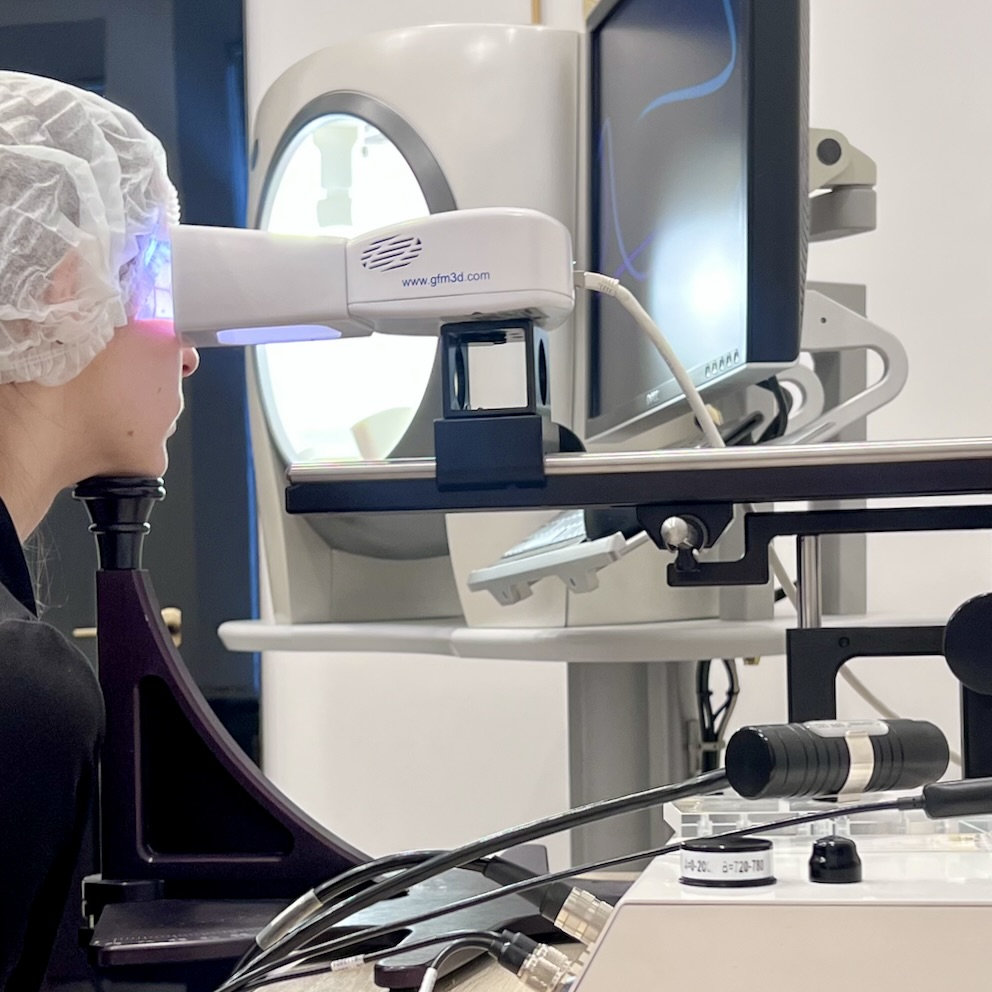
The assessment of the safety of products supplied to the market, without which the sale is impossible and illegal, protecting the consumer's health, does not guarantee him the effectiveness declared by the manufacturer. Meanwhile, there has long been equipment for assessing skin parameters, which in the hands of specialists can be used to objectively assess the effectiveness of cosmetic products and hardware methods.
In more detail...
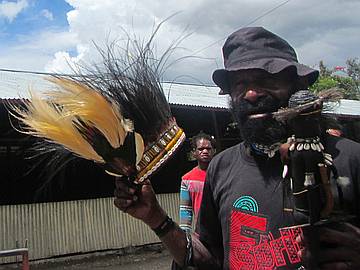
It was for a good reason that our penetration into the island as well as the Papuan culture was carried out in a gradual and unhurried way… Including the most ancient form of relationship, the trade. More...