


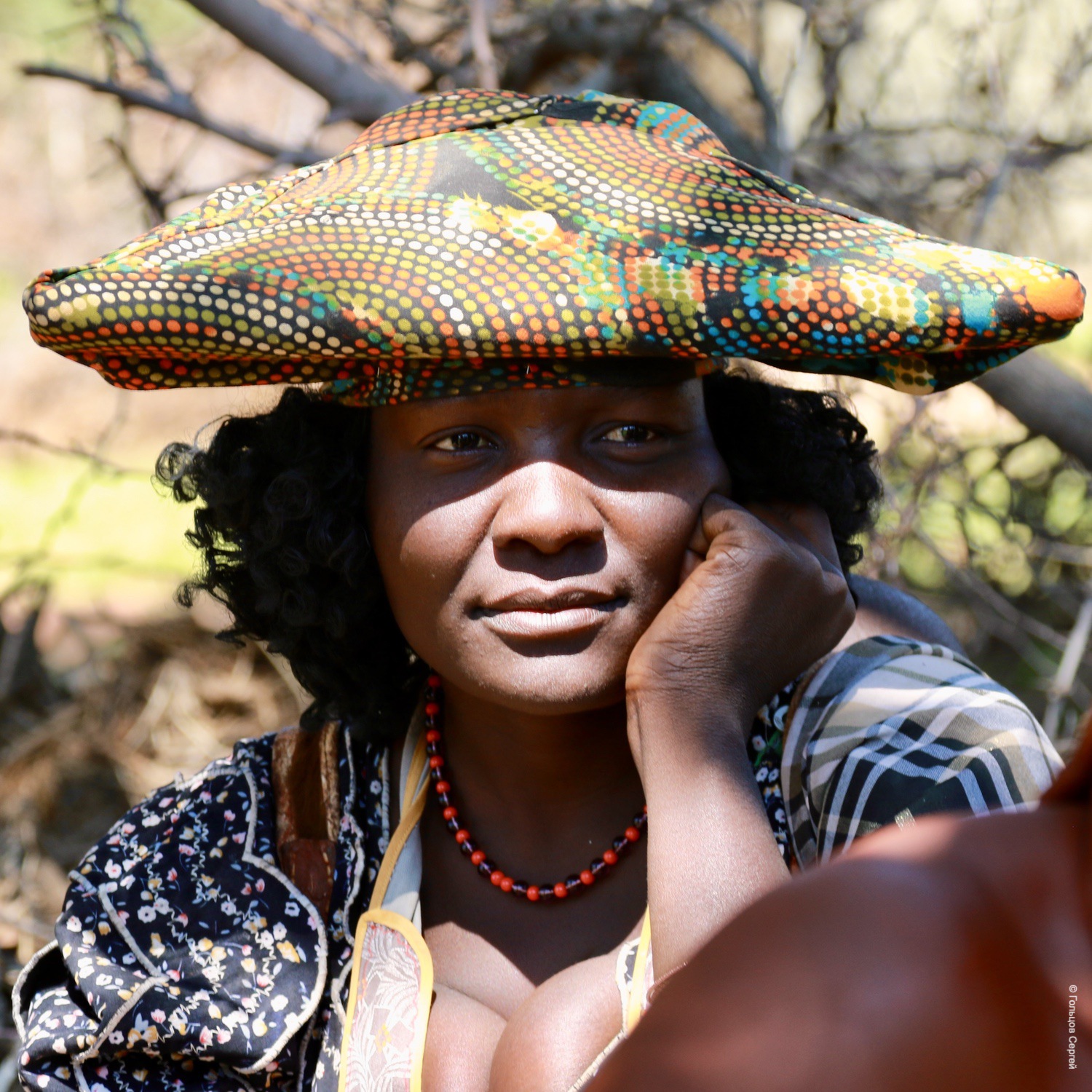
Гереро — одном из самых интересных и стойких народов Южной Африки. Их история переплетена с трагедиями, культурным упорством и необычайной самобытностью. Познакомимся с ними...






Несусветная дурь — дни рождения. А точнее, поздравления с ними. Кто вообще это придумал?
Ну ладно — мама и папа. Они ждали этот день, встретили ребёнка в мире, и будут радоваться ему всю жизнь. Тут всё честно. Но за каким хером остальные то лезут с поздравлениями?
Вот правда: познакомились мы с человеком в двадцать пять лет, даже подружились крепко — и тут вдруг оказывается важным день, когда он родился? Да тебя тогда даже в проекте не было! Или, скажем, муж с женой прожили вместе сорок шесть лет — но начались их отношения не в роддоме, а на танцах или вечеринке. Разве не логичнее отмечать День знакомства?
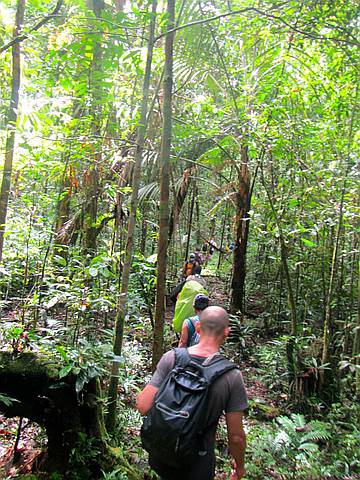
У меня есть друг Энвер (на фотке именно он). Я до сих пор помню, как мы встретились — 3 декабря 2011 года у подножия горы Меру в Танзании, Восточная Африка. С тех пор десятки стран, маршруты «Живой Параллели», куча приключений и десятки случаев, когда мы выручали друг друга в походах. Наш день с Энвером — именно 3 декабря. Вот его и стоит праздновать. А в какой день (и тем более год) он родился мне вообще по барабану... Да меня самого ещё в проекте не было, когда он уже родился. Какое мне дело до его Дня рождения? Главное – человек хороший! А вот то, что я однажды забыл поздравить его именно 3 декабря… Вот это действительно был прокол!
Так что решено: День рождения — праздник для мамы, папы и, может быть, того усатого акушера-гинеколога, который вытащил тебя на свет и хитро улыбнулся. А остальных предлагаю слать ко всем... воспоминаниям. Для них есть День знакомства – самый главный для отношений день. Вот его и нужно праздновать.
Прикиньте, как здорово: 365 дней в году, и каждый день — чей-то праздник. Вот, например, с Зиной, Олегом, Фёдором Палычем и Пусечкой я познакомился именно сегодня (правда, в разные годы). С праздником вас, любимые! Живите счастливо и долго. А когда вы родились — мне плевать. Я люблю вас не за это!
И да: кто поздравит меня с Днём рождения — тот вонючка.
p.s. Козюлька, тебя это не касается. От тебя я по-прежнему буду ждать много всяческих подарочков в оба этих дня.
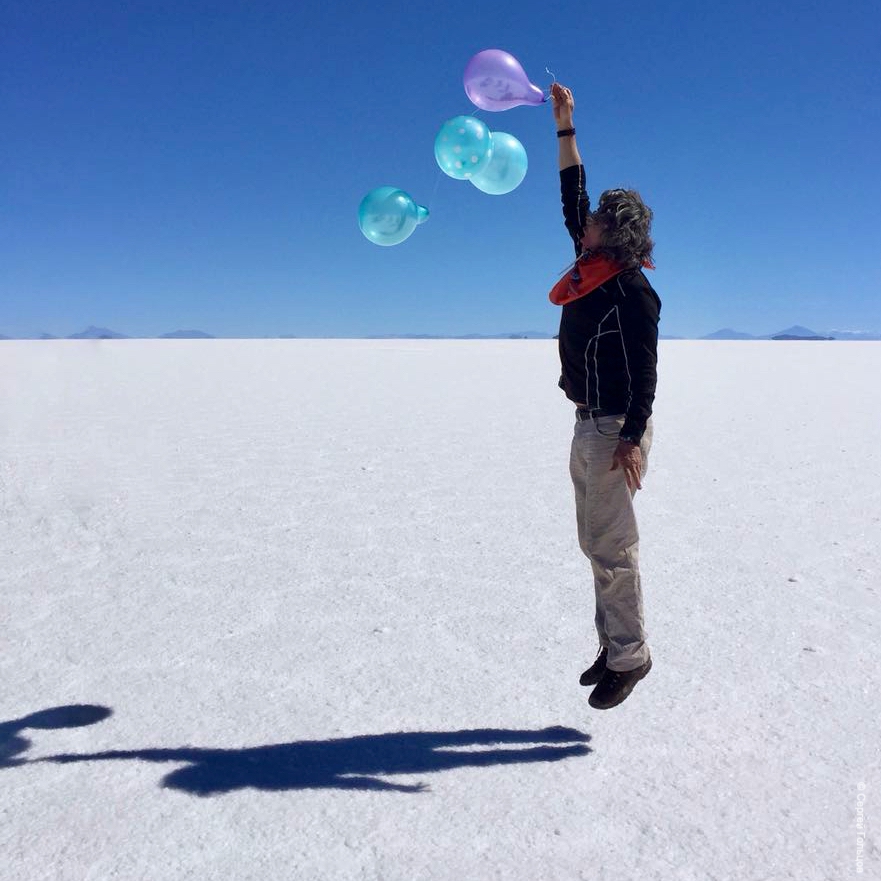
Гереро — одном из самых интересных и стойких народов Южной Африки. Их история переплетена с трагедиями, культурным упорством и необычайной самобытностью. Познакомимся с ними...
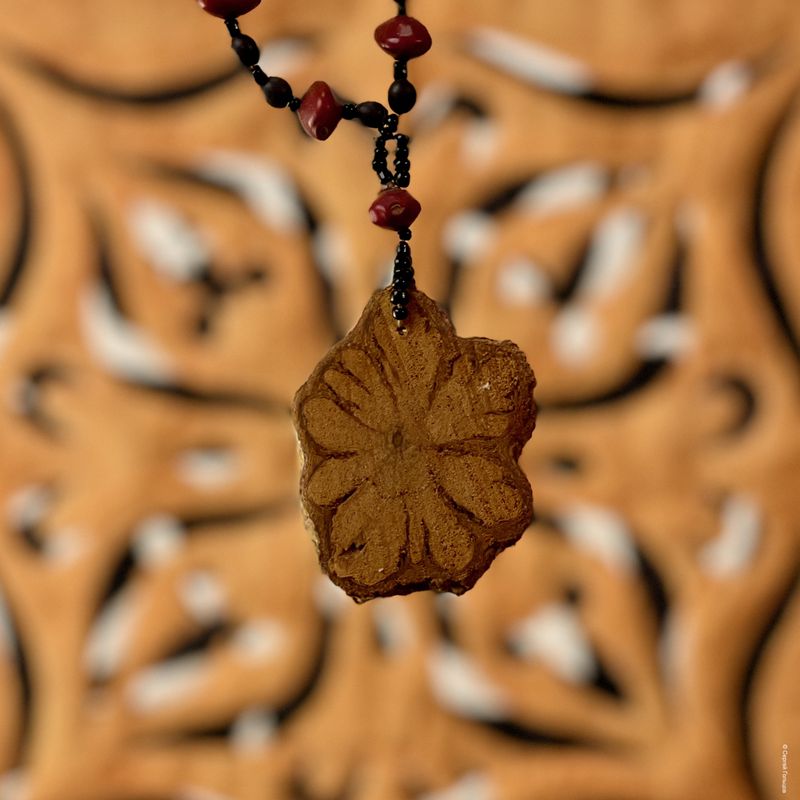
В любой культуре есть ритуалы. Некоторые направлены на укрепление здоровья — и физического, и психического. Об одном из таких ритуалов я хочу рассказать.
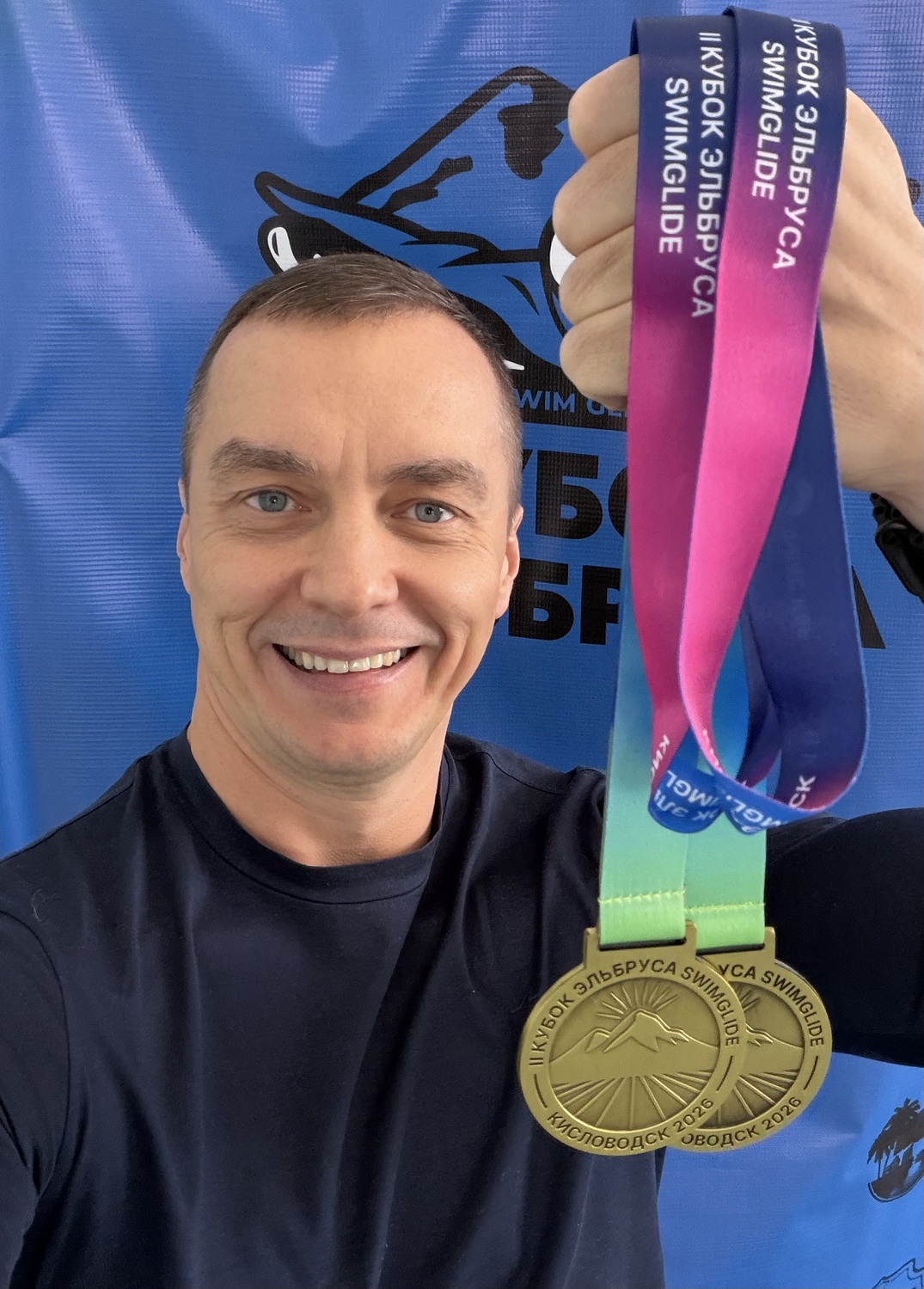
However...s ago, my parents traveled to the Caucasian Mineral Waters. The mountains, the narzans, the clear air, and the long walks... Apparently, this is where my story began. At that time, I was a rather microscopic creature with a tail, but I was probably quite fast. According to biology, the fertilizing speed of a sperm cell is around 25 meters per second. This means that I was swimming much faster than I am now. However...
Later we may ask ourselves where we are going and why. This thought came to my mind under the sign “CANNIBALISM POLICE”… But it was too late, we had to go farther consoling ourselves with the thought that we were among the very few people in the whole world who had made some steps forward from the sign. Read more...