

My projects
Photo Video Blog Books
Goltsov Sergey
I serve the art of medical doubt

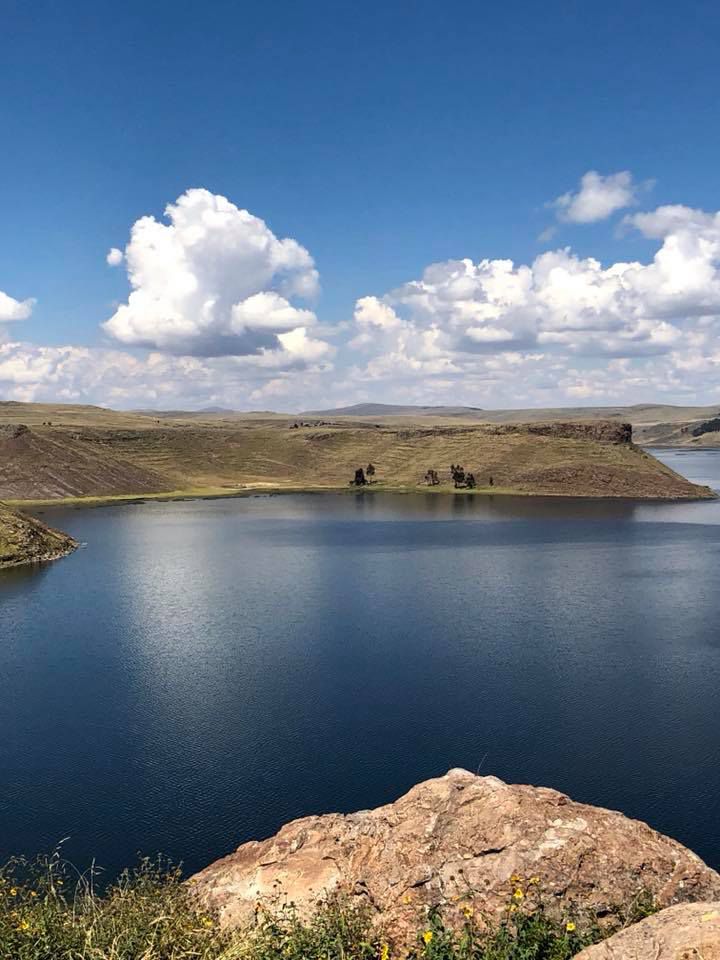
The Uyuni Salt Flats, Bolivia

Living Parallel, part II-Experience.
Bolivia, Uyuni salt marsh, Incahuasi island.

Ещё в блоге:

Expedition to the lost world

Conversation on Facebook:
– Where are you?
– Travelling.
– Where this time?
– Where cannibals live.
– ...How are you?
– All parts of my body still belong to me!:)

Seems funny? Click the "like" button. Somebody will say – it can’t be true, what cannibals these days?! A year later after we spent 3 weeks in company with true cannibals as participants of the expedition "Live Parallel in Papua New Guinea", I can hardly believe it myself. Shall we remember it together?

Tanks, hands and how to " answer for the Bazaar»

The other day I happened to freeze my hands. Yes, not that frostbite, and not frostbite at all, but so, slightly freeze. All right, all right-my gloved fingers froze, so I remembered a story told by a patient at the reception.

Экзема, такая разная. Почему?

Разобравшись в прошлый раз с механизмом этиопатогенеза, который уже на этом – раннем этапе понимания, определяет единые принципы лечения экземы независимо от её клинических разновидностей, на этот раз нам предстоит рассмотреть особенности развития хронического воспаления в дерме и эпидермисе, которые напротив, указывают на необходимость различий в подходе.

Читать далее...

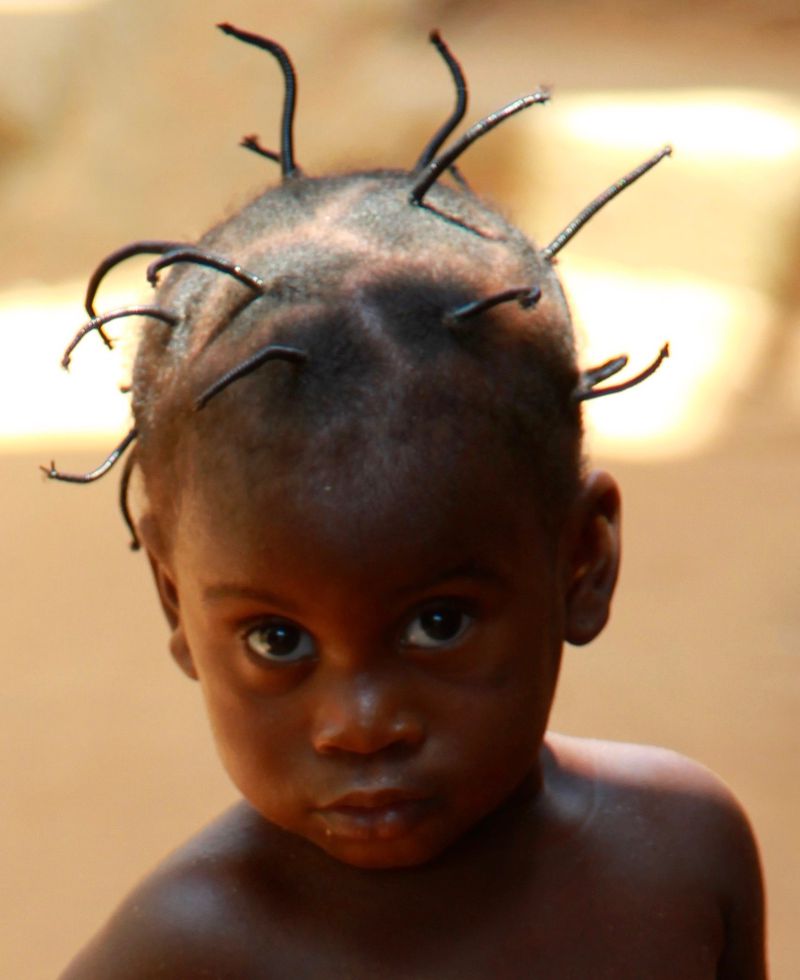
Sacred Paste, Smoke Baths and the Charm of the Himba Cultural Code

The Himba tribe is one of the most colorful and unique peoples of Africa, living in northern Namibia, in the Kunene region, near the border with Angola. It is a mistake to assume that these people are wild. Many Himba have dual citizenship - Himba and Namibia (not many of us can boast passports from two countries :)), but they do not fully recognize Western laws. Their culture, way of life and appearance have remained virtually unchanged for centuries despite globalization. It is understandable that young people leave for the cities, but they also often return to their roots. And why? Let's try to figure it out together...