My projects
Photo Video Blog Books
Goltsov Sergey
I serve the art of medical doubt

Гориллы–«убийцы»

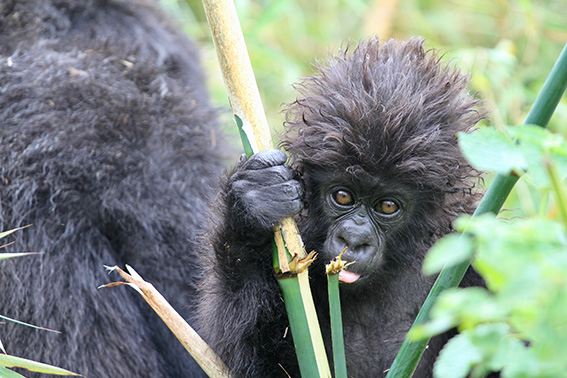
В подборке утренних новостей в мире, читаю сегодня новостную заметку о том, что «в очередной раз самец гориллы убил человека…» Поразительная однобокость посыла! Теперь большинство людей, читающих хотя бы по утрам, будут думать, либо усилят свои представления, об агрессии этих исчезающих, как вид, приматов. Читать далее... Это вызвало во мне желание рассказать, как однажды, 7 лет назад, находясь в составе экспедиции Живая Параллель в Африке, будучи в коротеньком переходе через джунгли Руанды, наш проводник вдруг резко остановился и быстром движением руки остановил всю шеренгу исследователей.

Оказалось, что наша тропа пересекала поселение восточных горилл и, что самое примечательное – они нам и встретились.
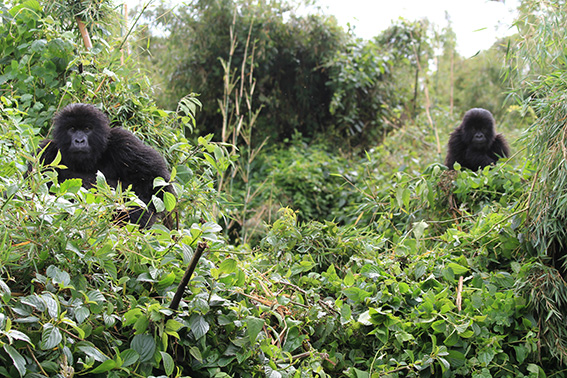
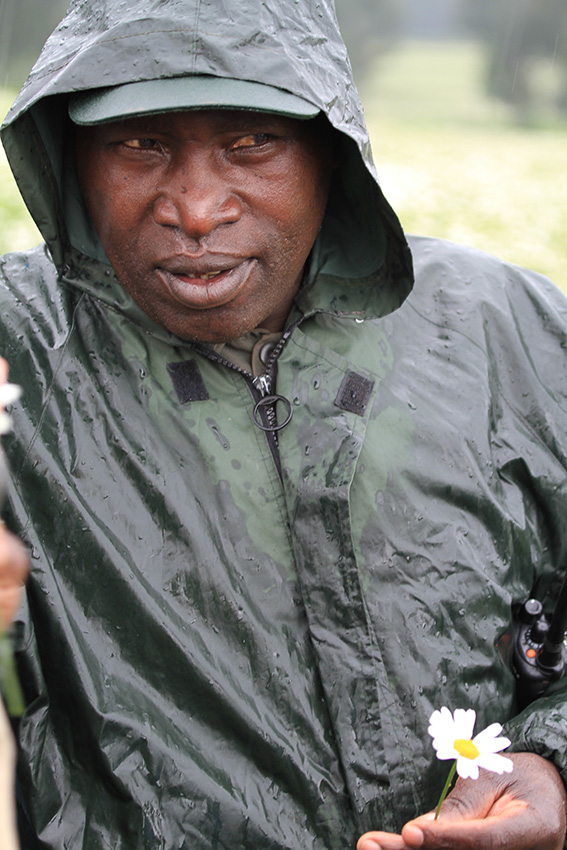
Страх пребывания в джунглях, под проливным дождём, неожиданно сменился интересом, причем взаимным. Но, каково же было удивление, когда наш проводник, с ромашкой в руке, сказал: «Стойте здесь и… не очень то улыбайтесь, белые зубы не лучший способ для первичного знакомства…», а сам при этом медленно пошёл по направлению к альфа-самцу (он с такой грозный на вид, с типичной для предводителя стаи белой полосой шерсти на спине), и начал с ним… говорить.
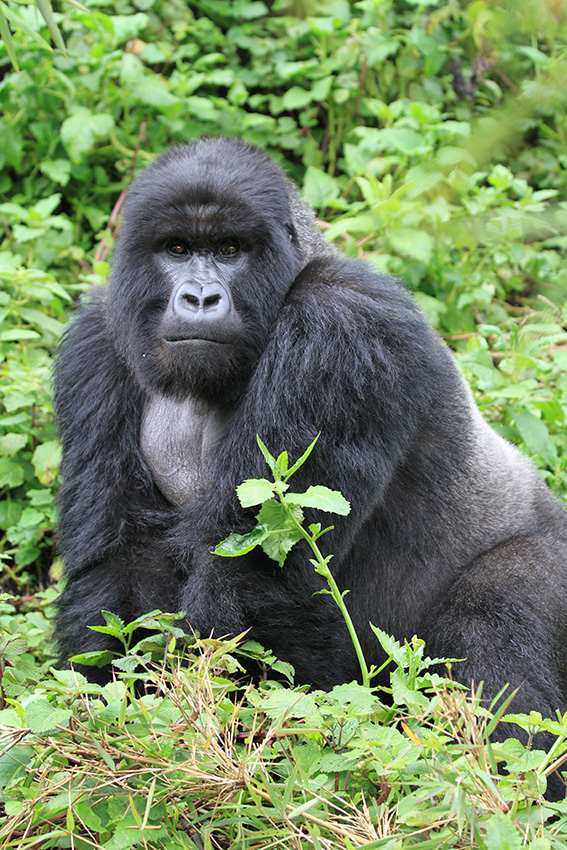
Этот диалог был невероятным зрелищем. Но, радость от того, что наш проводник «договорился» о возможности пройти далее и, что нам удалось побыть некоторое время в близком общении с этими удивительными животными, во многом похожими на нас, быстро сменилась печалью от того факта, что мы узнали.
В погоне за трофеями и развлечениями, люди существенно уменьшили популяцию восточных горилл, часто настолько жестокими способами, что некоторые самки, встречая людей даже впервые в жизни, ложатся на землю и закрывают голову руками в надежде на то, что их пощадят…
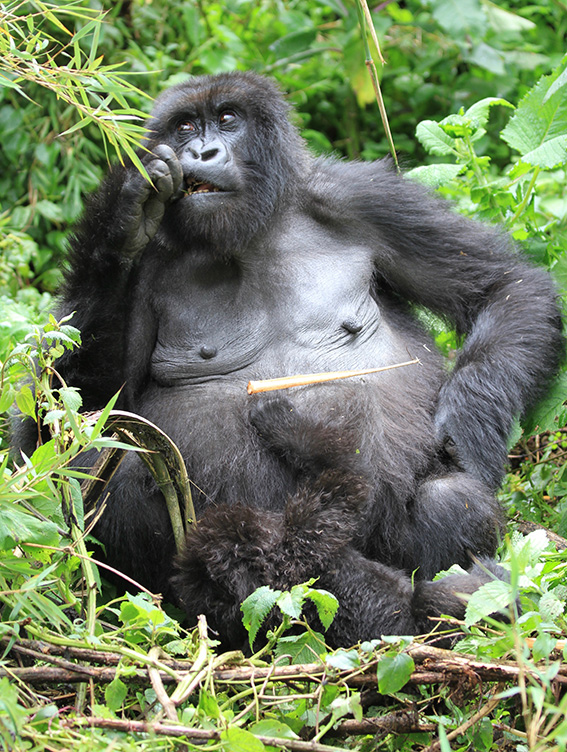
Раньше это смирение они демонстрировали только когда погибает вожак их стаи…

#живаяпараллель #руанда

Ещё в блоге:

Method for obtaining a viable heterogeneous population of skin cells (patent for invention)

The invention relates to the field of pharmaceuticals and biology and represents a method for obtaining a viable heterogeneous population of skin cells, which includes taking a skin biopsy at a depth of ...

A device for activating the reparative potencies of skin cells (utility model patent)

A device for activating the reparative potencies of skin cells... read about the device

Nature-Friendly Strategy for Growing Innovation: the Placental Approach

The creation of fertile innovative ecological environment in the country is constrained by barriers of a conceptual nature. The article identifies four groups of such barriers. The authors propose a strategy for overcoming them based on a comparison of functions necessary for the innovative development of social practices and the natural mechanisms of a new life birth. This allows us to formulate a number of pragmatic recommendations for creating an innovative eco-environment for a wide range of industries. By analogy with natural dynamics of obstetrics, the approach is called placental

Keywords: Innovation, innovation infrastructure, acceleration, eco-environment, placenta, development.

Sacred Paste, Smoke Baths and the Charm of the Himba Cultural Code

The Himba tribe is one of the most colorful and unique peoples of Africa, living in northern Namibia, in the Kunene region, near the border with Angola. It is a mistake to assume that these people are wild. Many Himba have dual citizenship - Himba and Namibia (not many of us can boast passports from two countries :)), but they do not fully recognize Western laws. Their culture, way of life and appearance have remained virtually unchanged for centuries despite globalization. It is understandable that young people leave for the cities, but they also often return to their roots. And why? Let's try to figure it out together...