



Friends, I have a great event! Every letter matters, but today is a special day – the first time in my life I received a letter from the ruling monarch. More...






I don't remember any names. I don't know who these children have become. I don't know which of them is in school today, who is already working, who is raising younger brothers and sisters, and who has long been swept away by a road that we don't even know exists. But I remember their eyes.
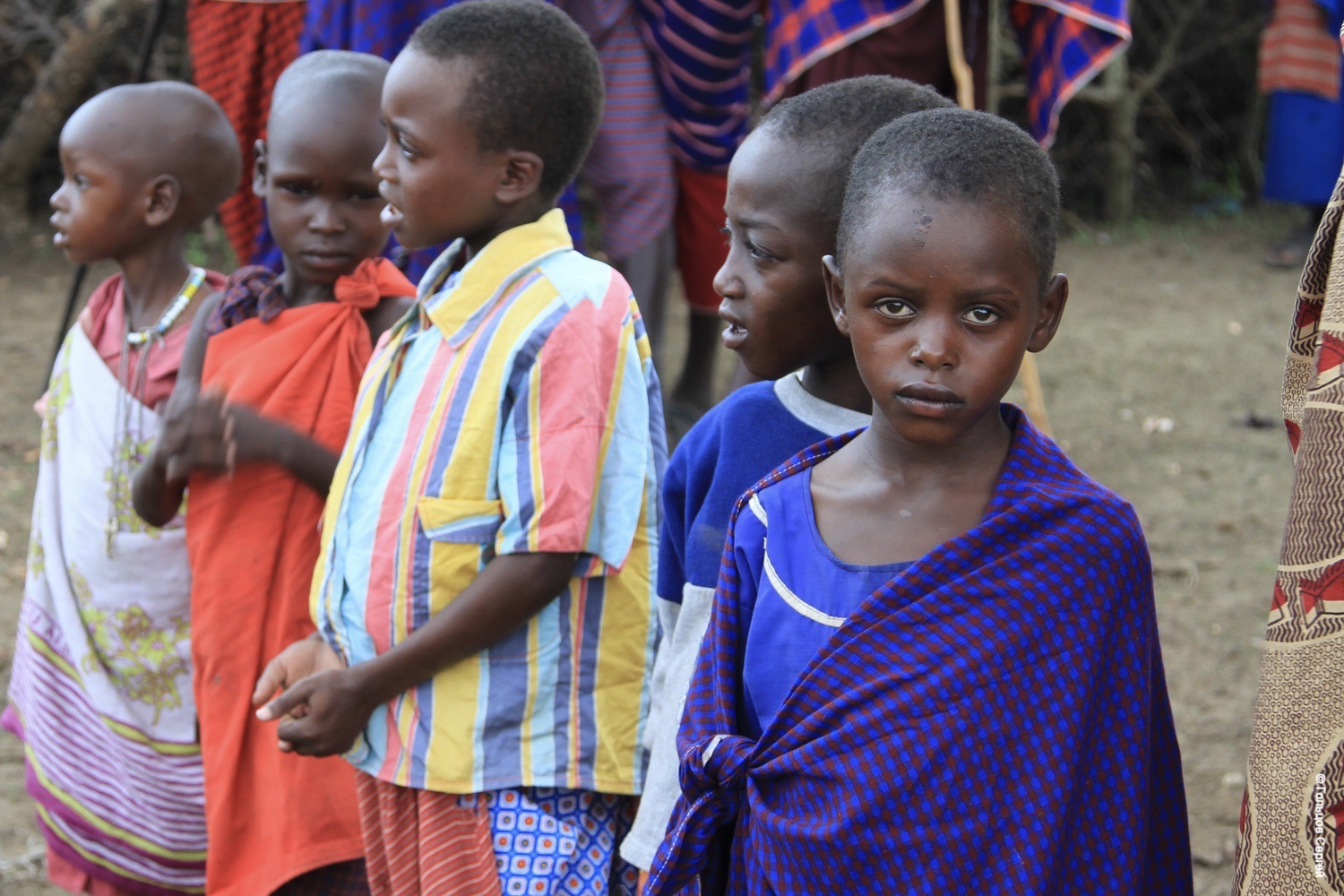
When you first come to Africa, you expect to see poverty. That's what photography, television, charity videos, and statistics from international organizations have taught us. You arrive prepared for the numbers, but completely unprepared for the looks. Because poverty can be described. But the look is not allowed.
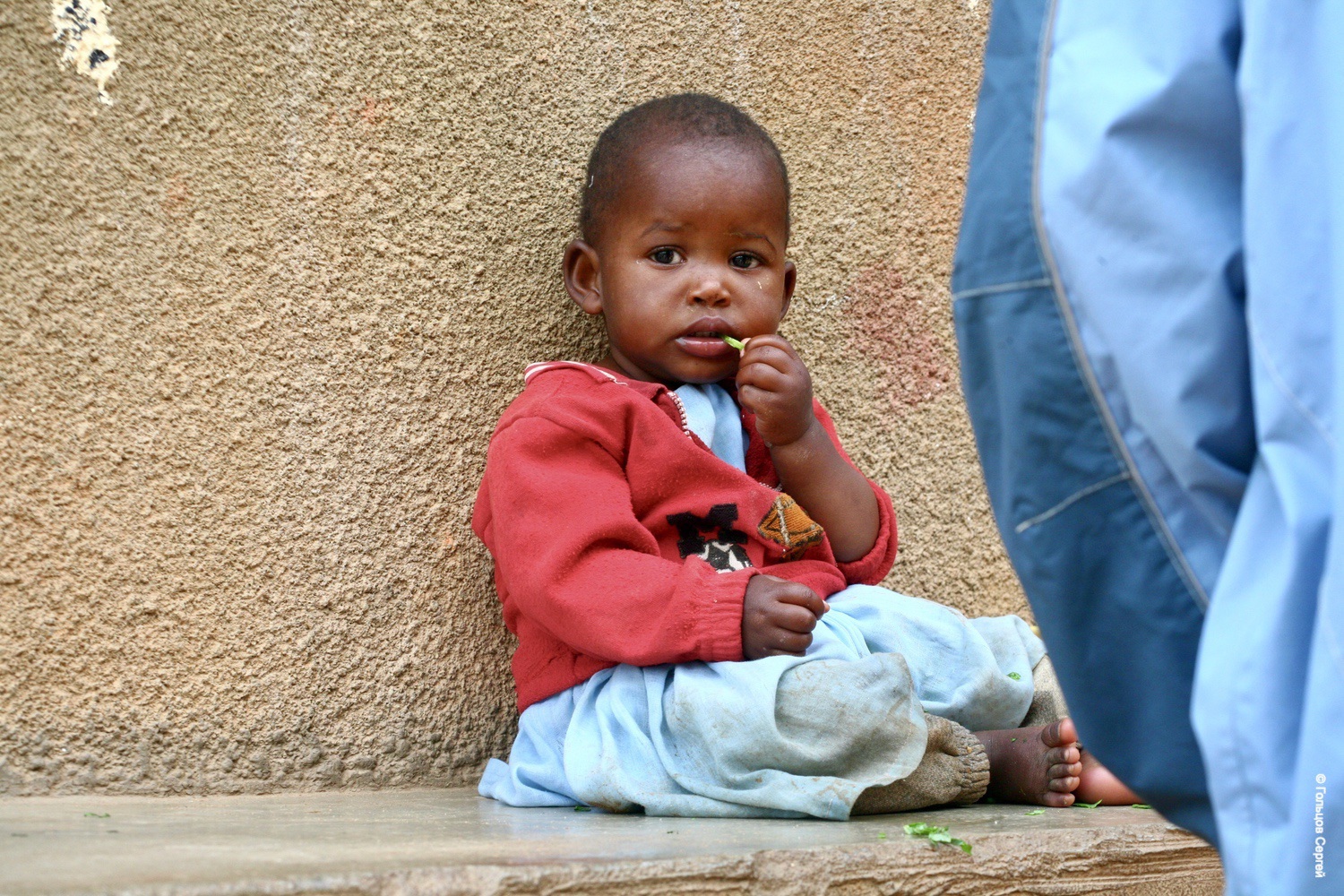
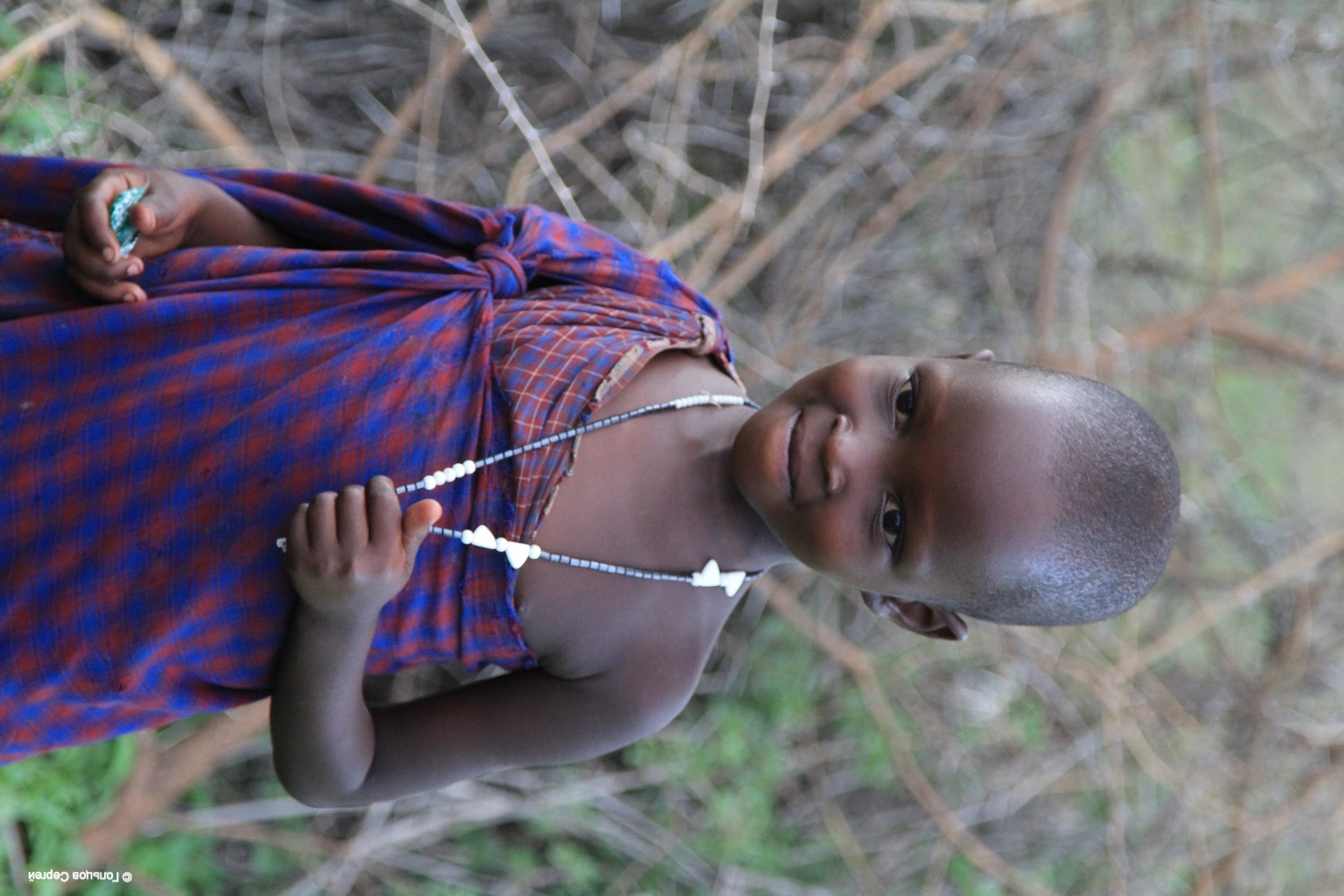
There was more dignity in one look from a little girl wrapped in a faded cloth than in many classrooms I've seen in my life.
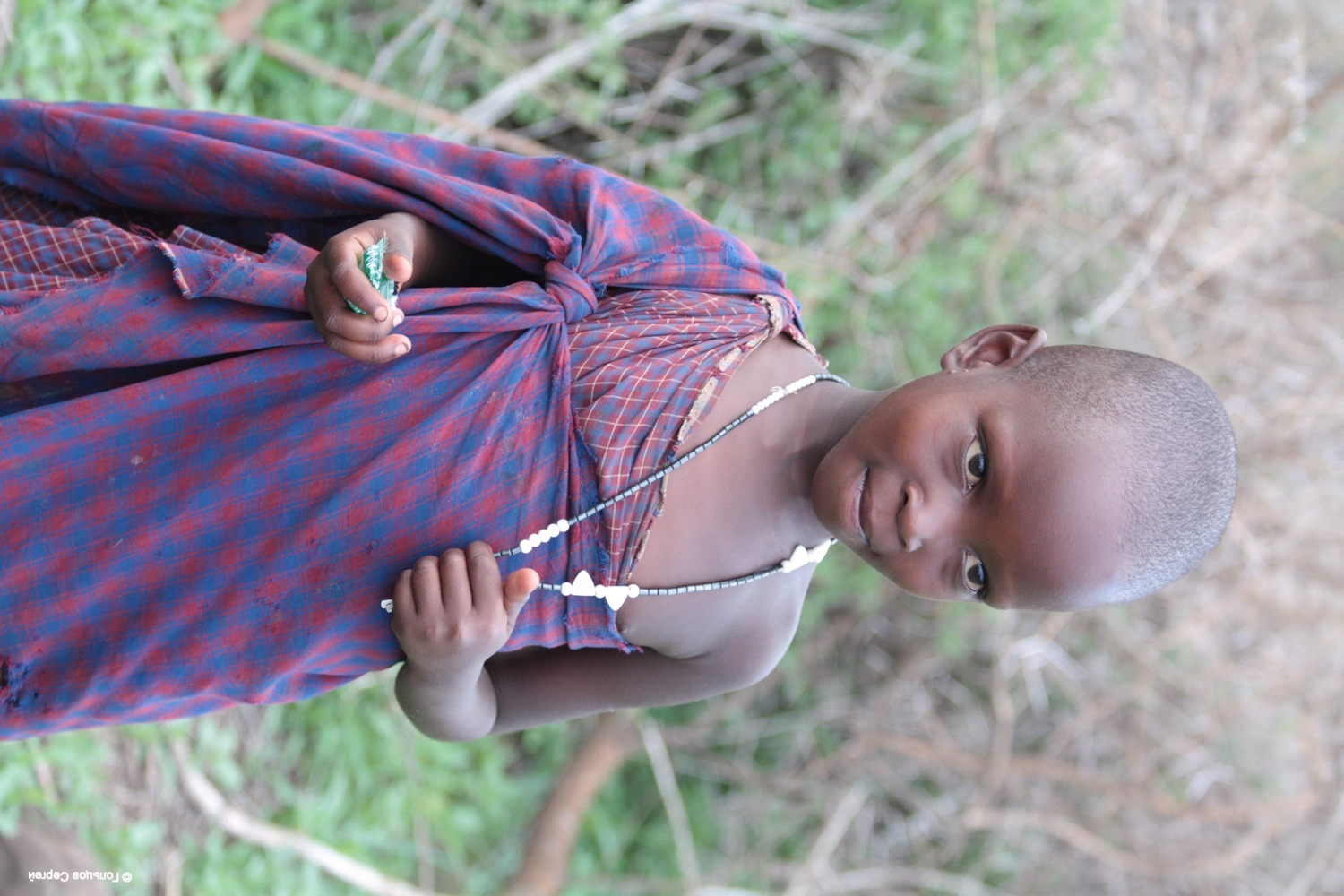
She wasn't looking up, not asking for or expecting help. She was just watching. Like a man on a man. There was no self-pity in that look.
And then, for the first time, I felt strangely embarrassed. Because we used to believe that compassion is always directed from the well-off to the needy. But sometimes the opposite happens. Sometimes it's someone who has almost nothing who helps you see yourself.
I photographed children.
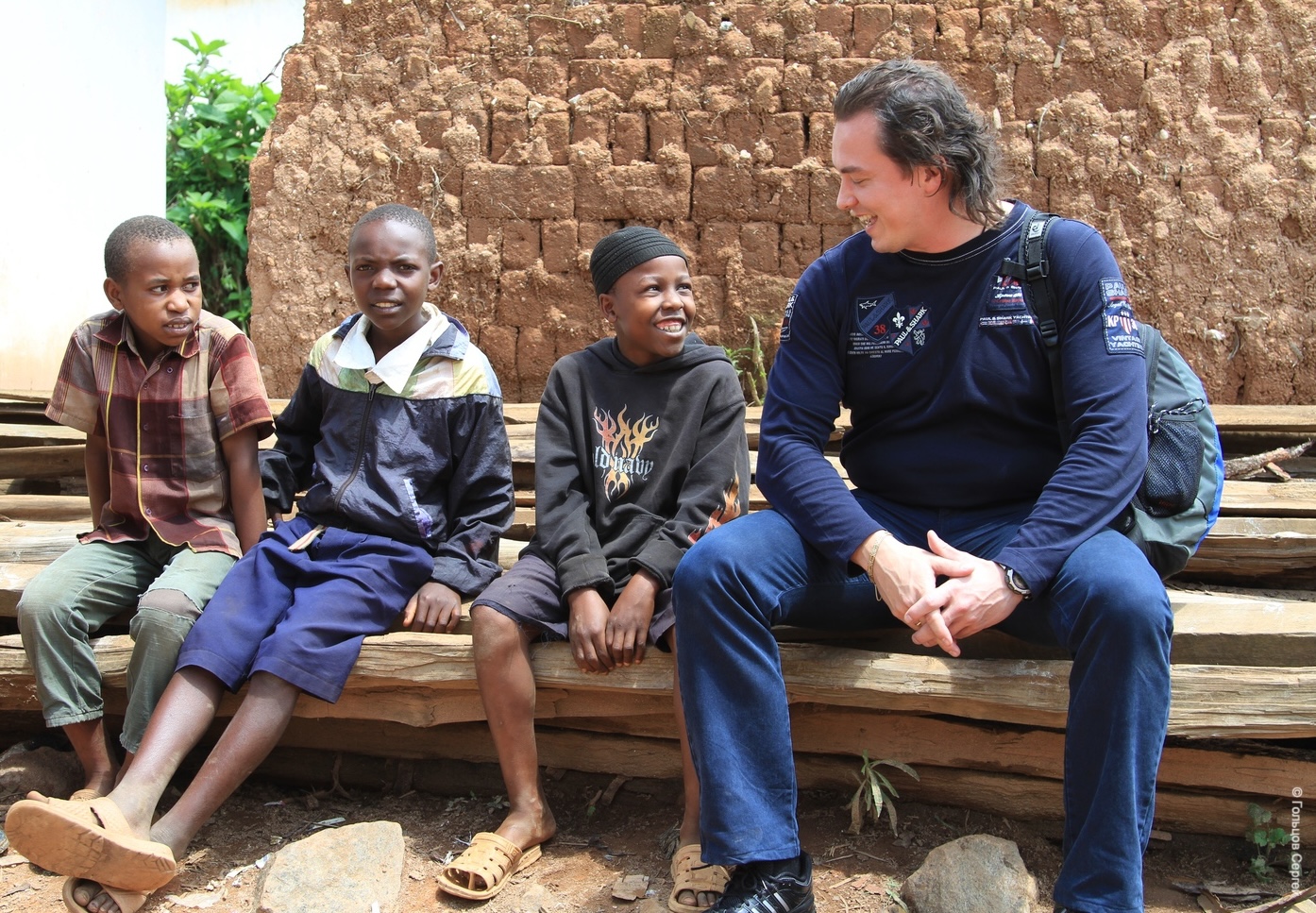
They surrounded me everywhere.
Mud houses appeared around the corner,
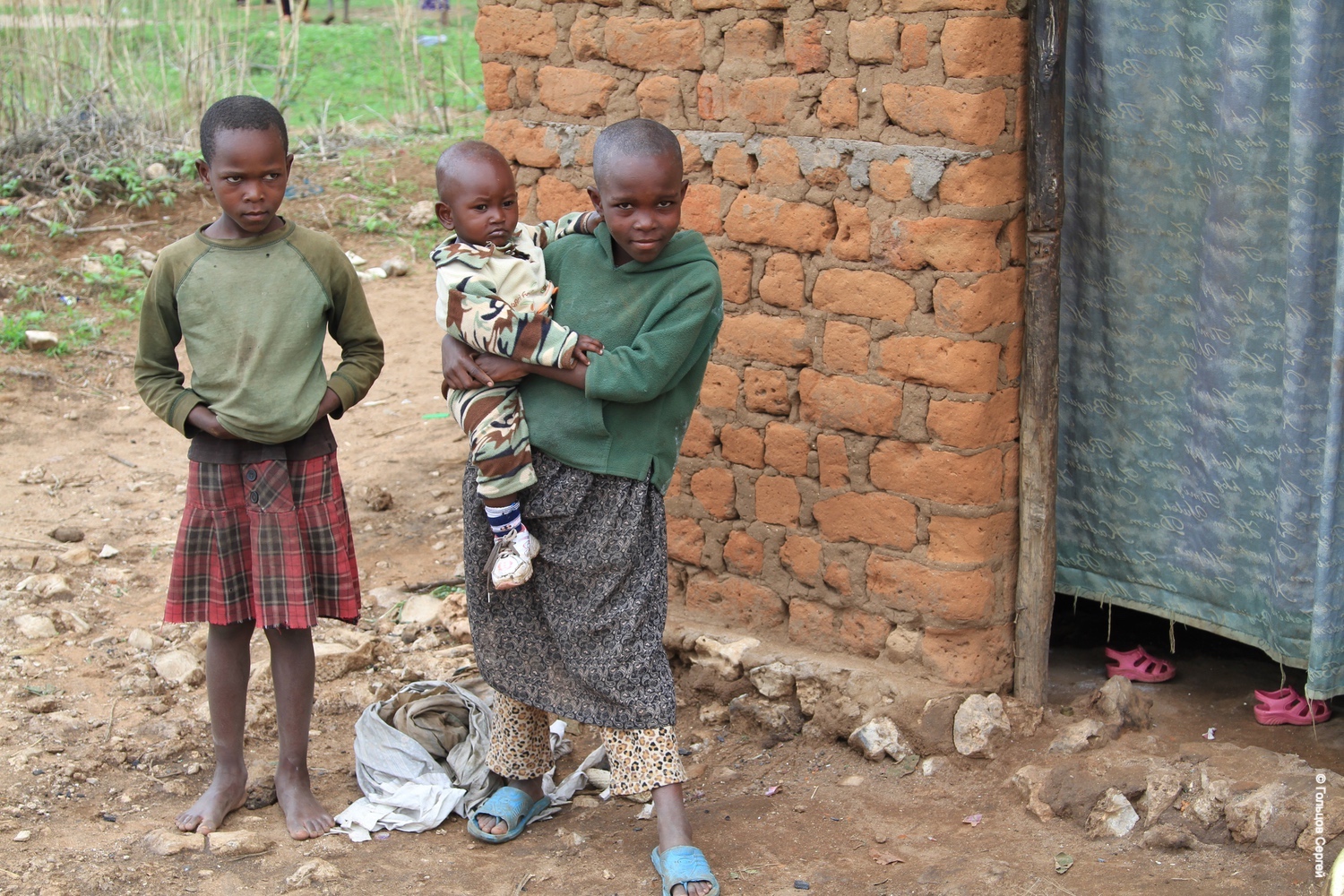
They looked out from the crowd,
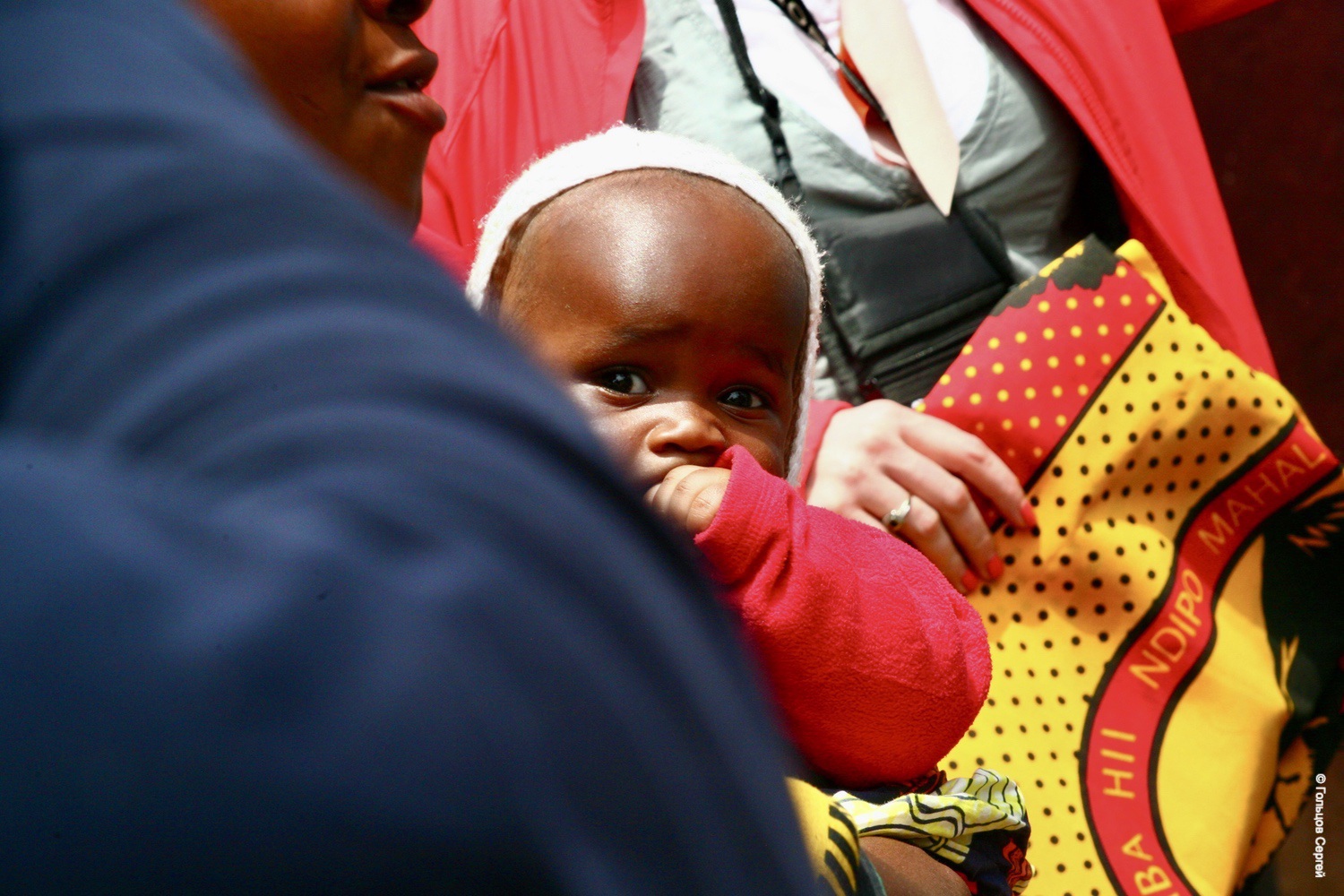
They held their younger brothers in their arms,
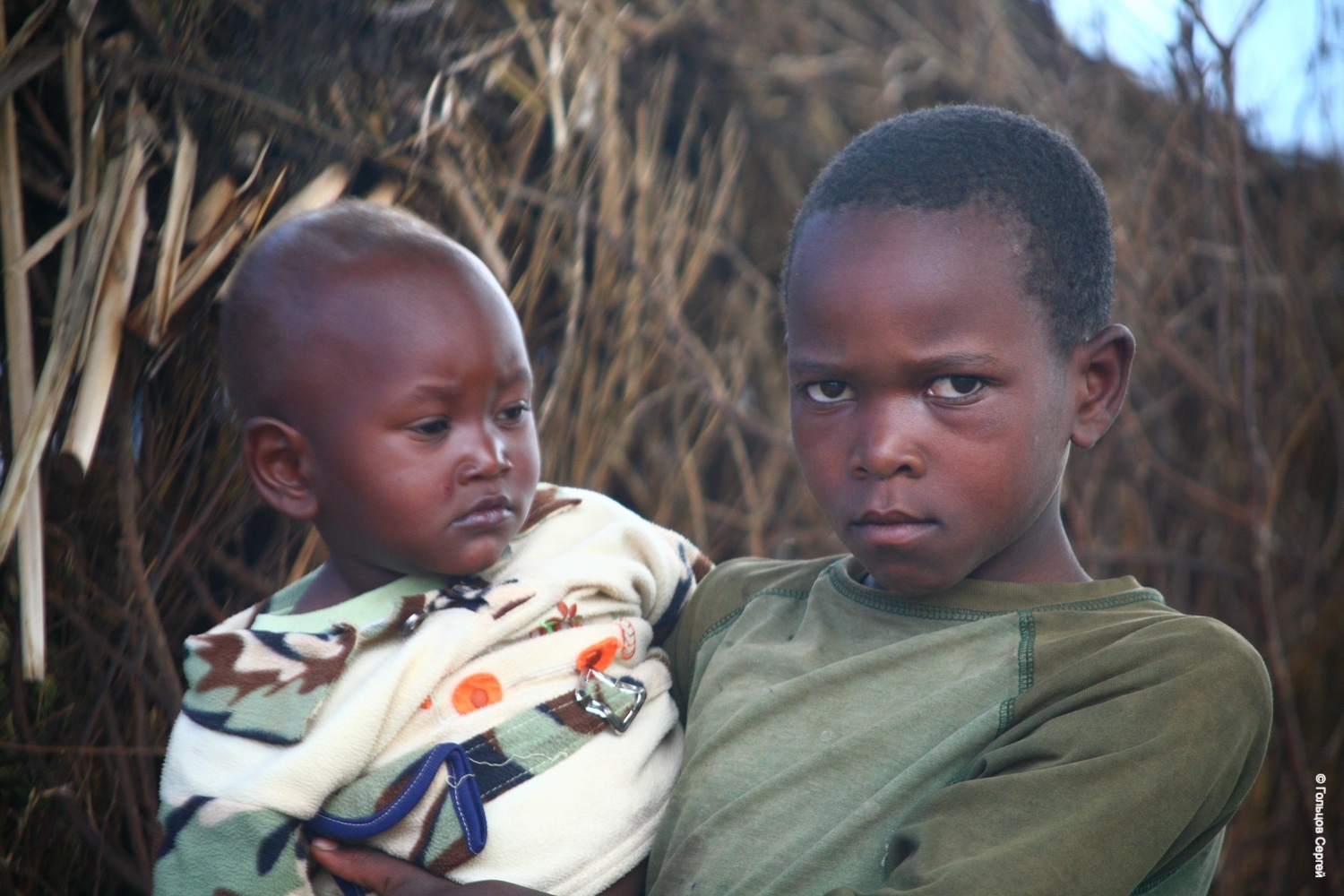
They walked barefoot on the red earth in torn slates,
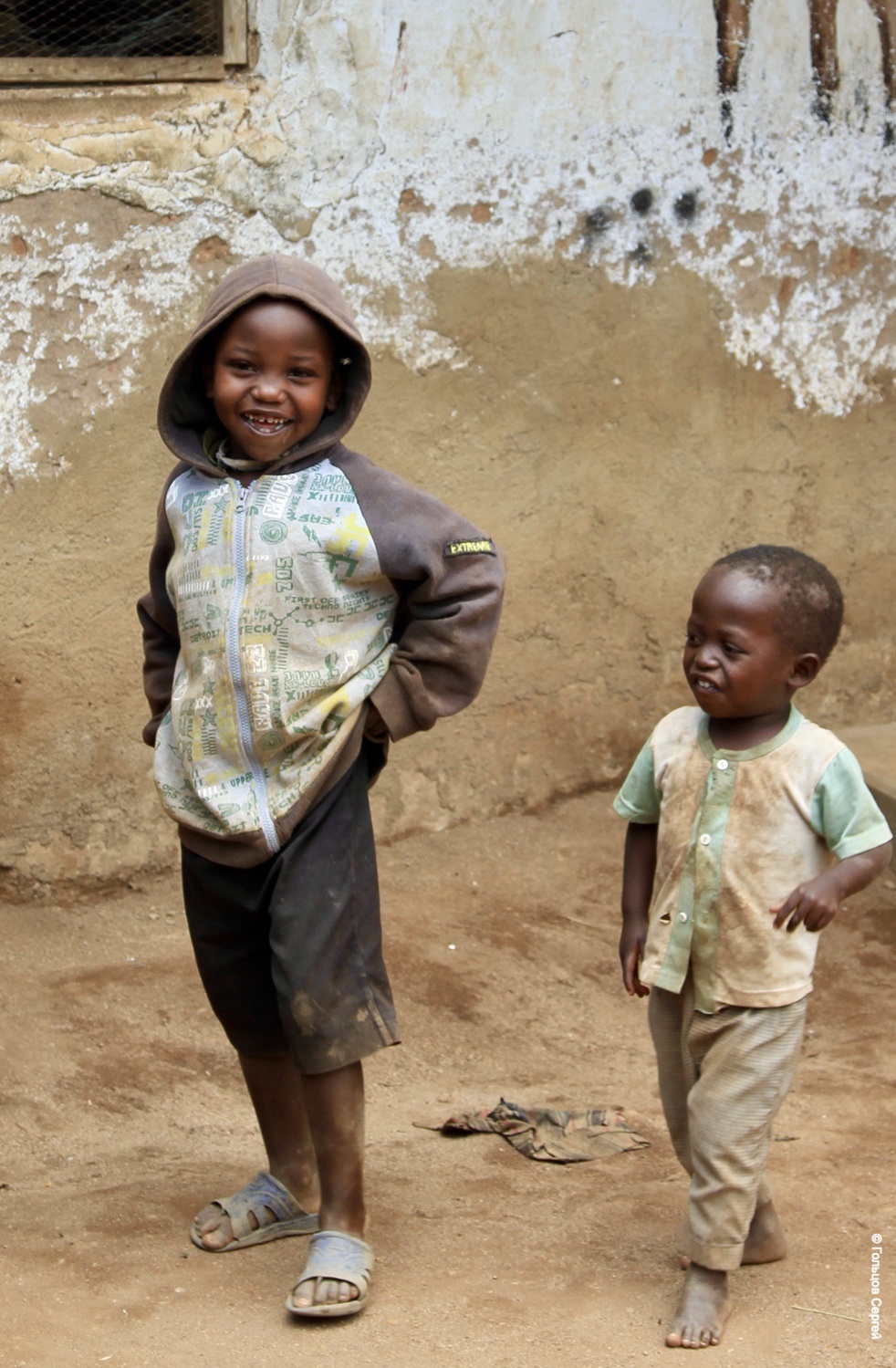
They smiled and laughed,
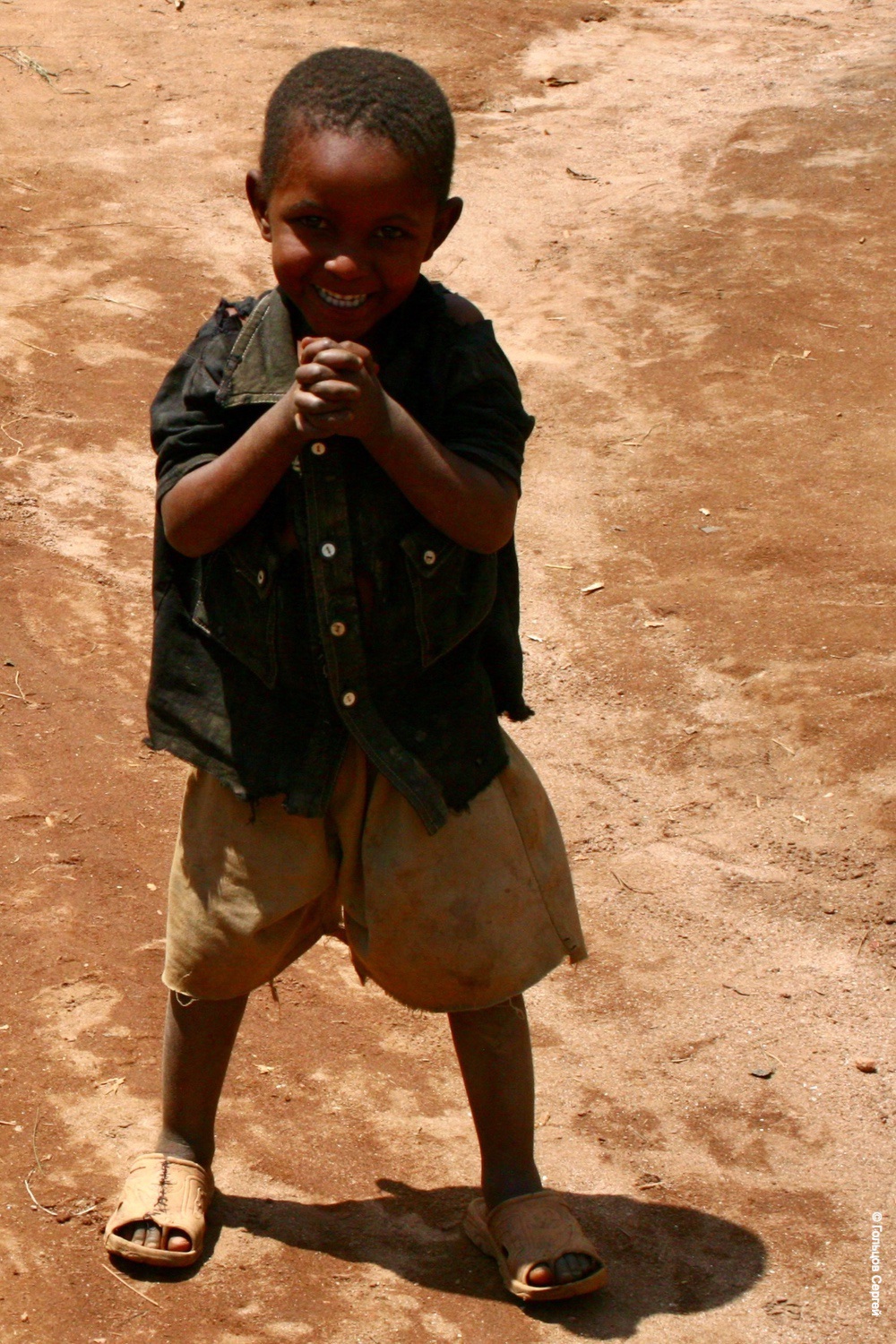
They watched the stranger with the camera warily.
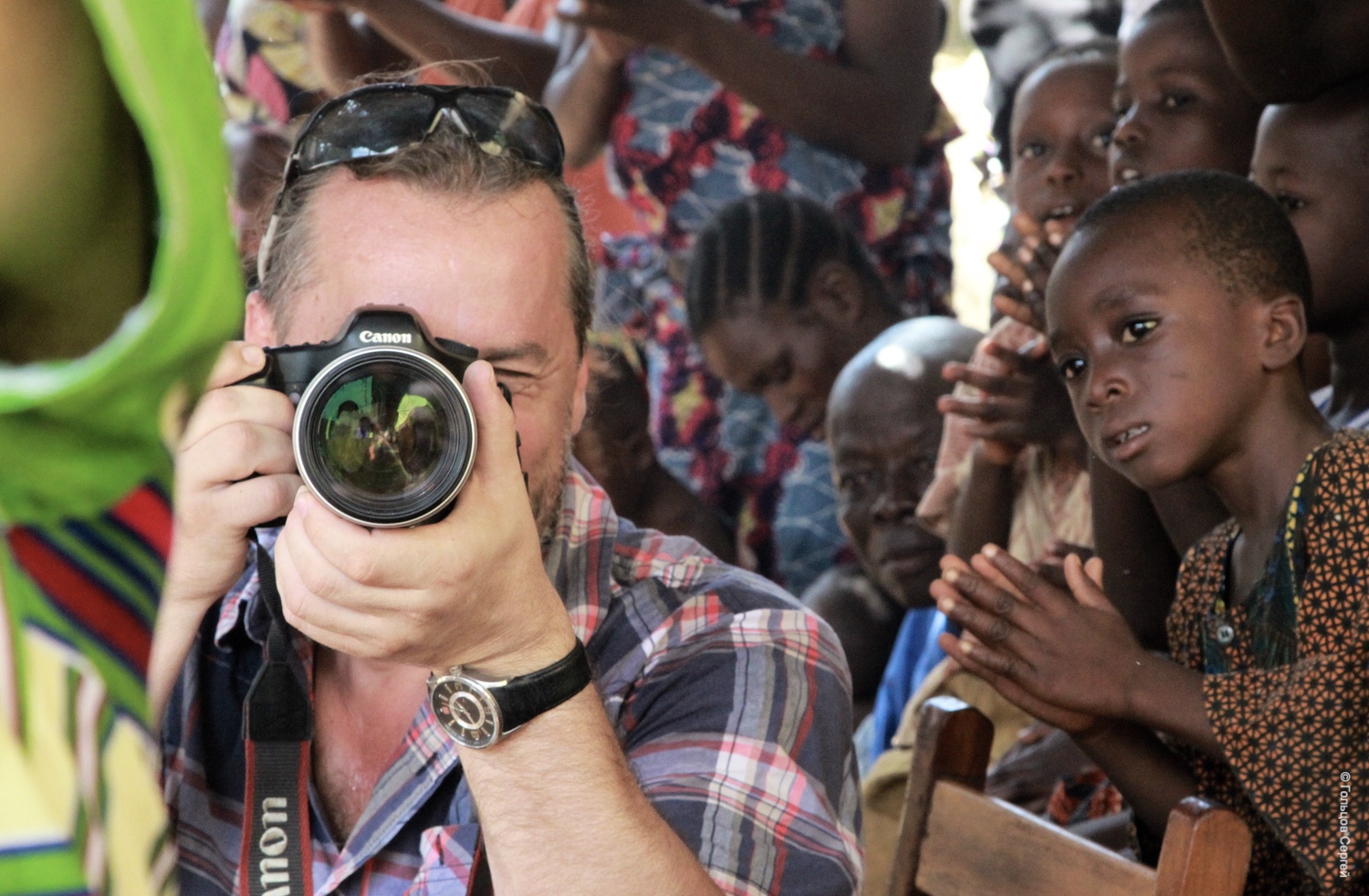
Some looked openly and boldly.
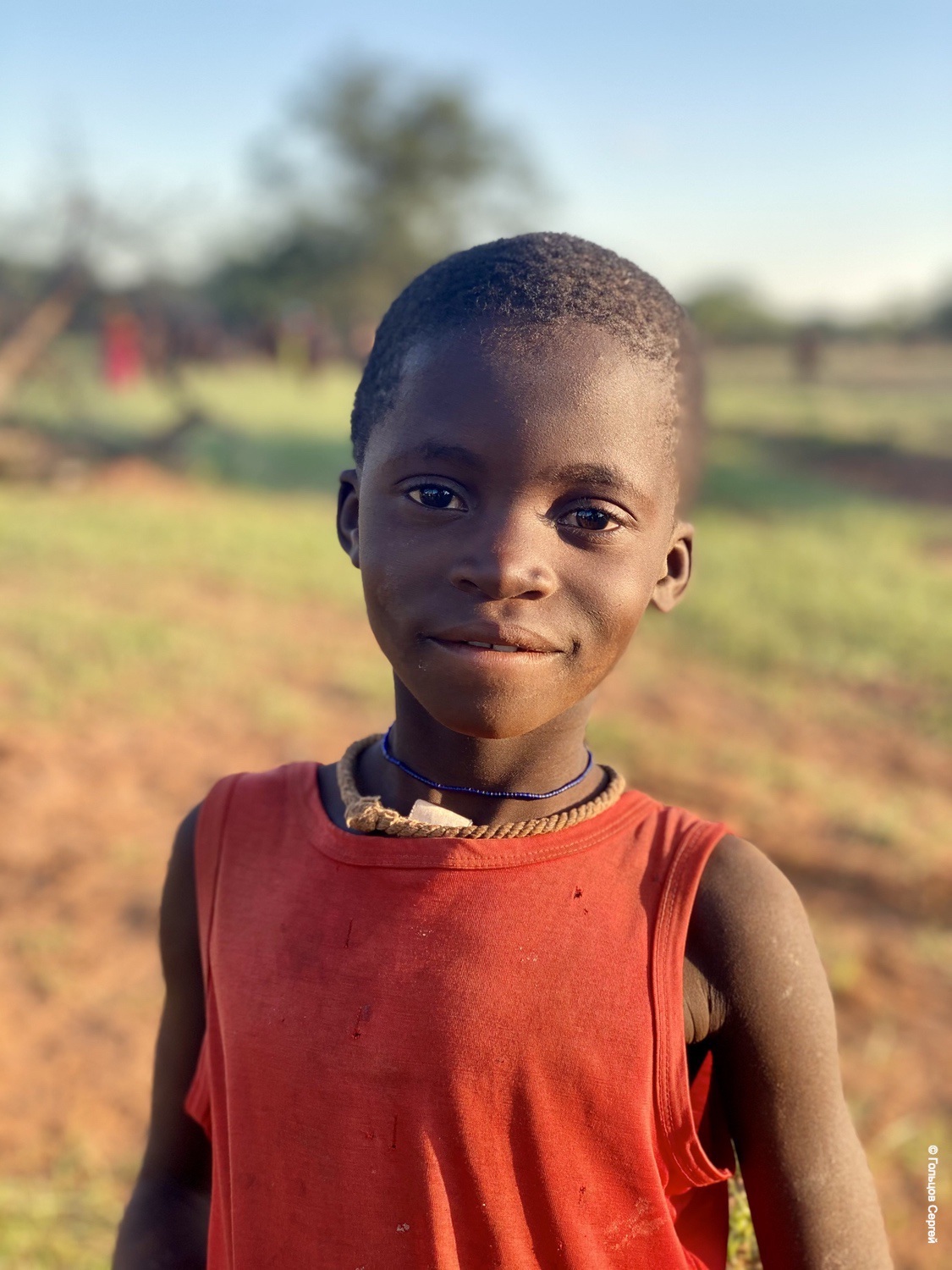
Others are careful.
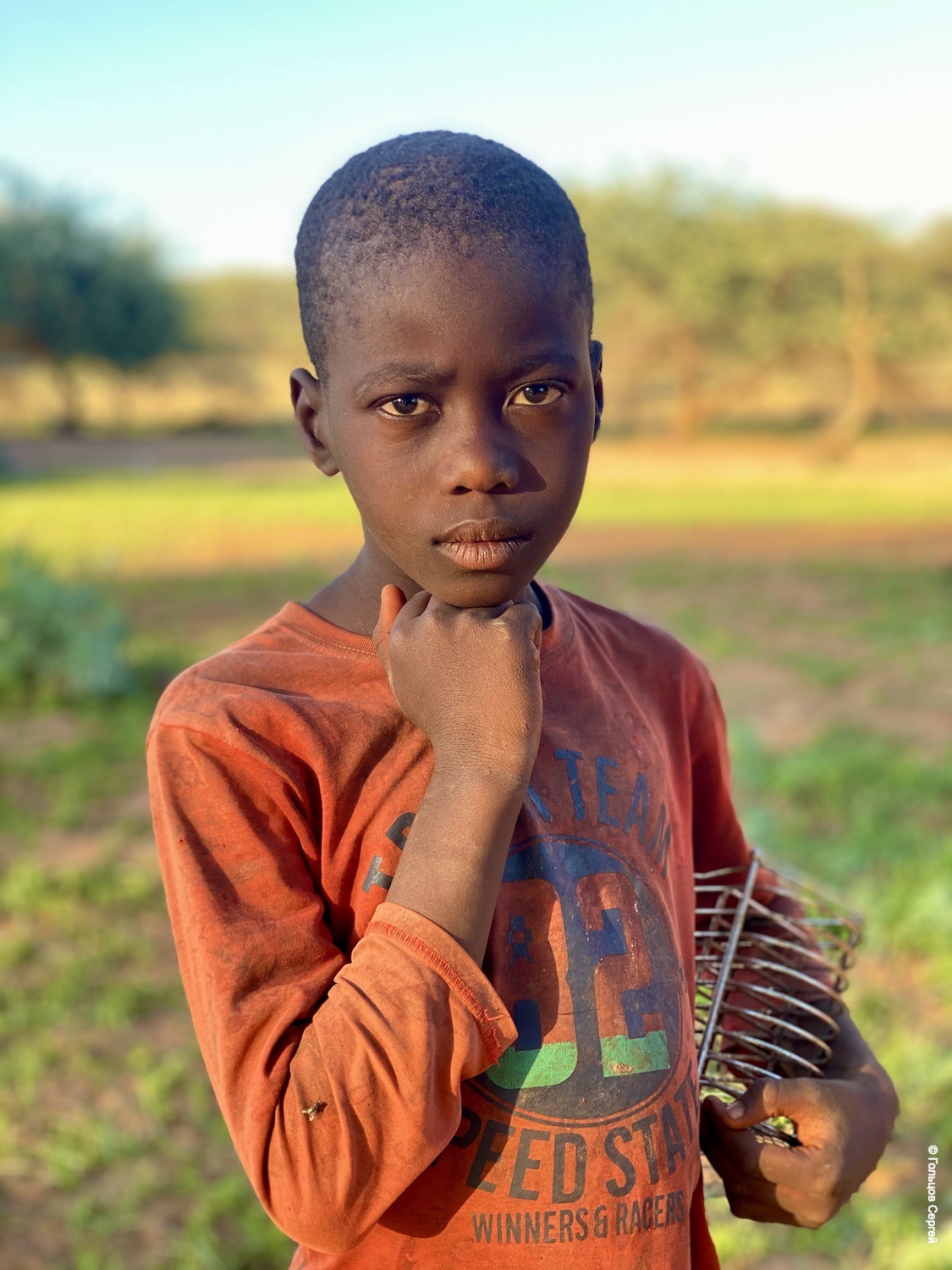
Some of them smiled as if they knew some secret that adults couldn't.
And some of them looked at me with a look that I was used to seeing only in old people.
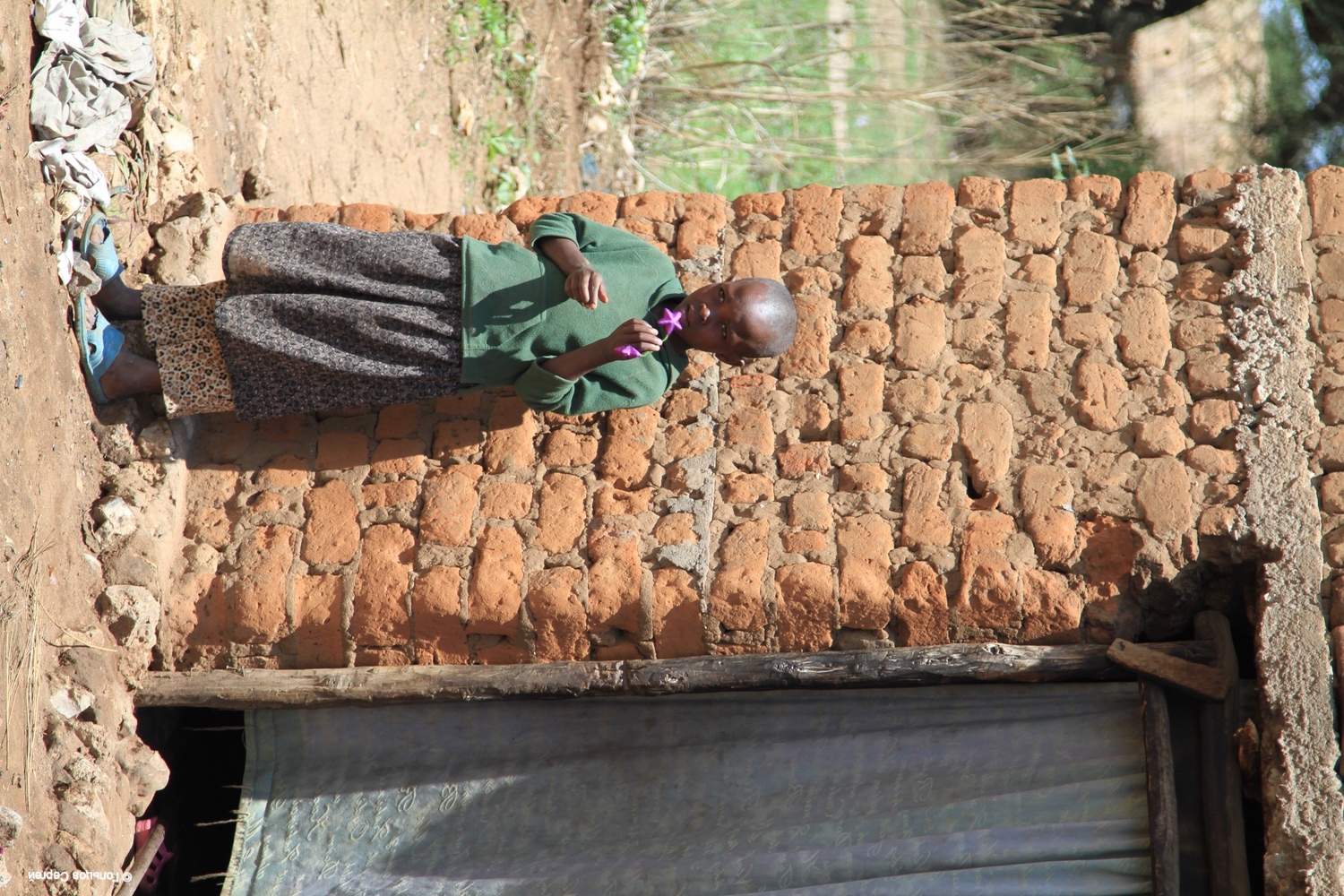
The children holding babies in their arms were especially striking. They were still children themselves, but they were already responsible for another person. Their childhood didn't end — it just became an adult very early.
I saw a look in one African boy that I still can't forget. He stood with his back completely straight and looked at me so seriously, as if in front of me was not a child, but a man who had already made some important decision. There was no fear in his eyes. There was no curiosity. Just calmness.
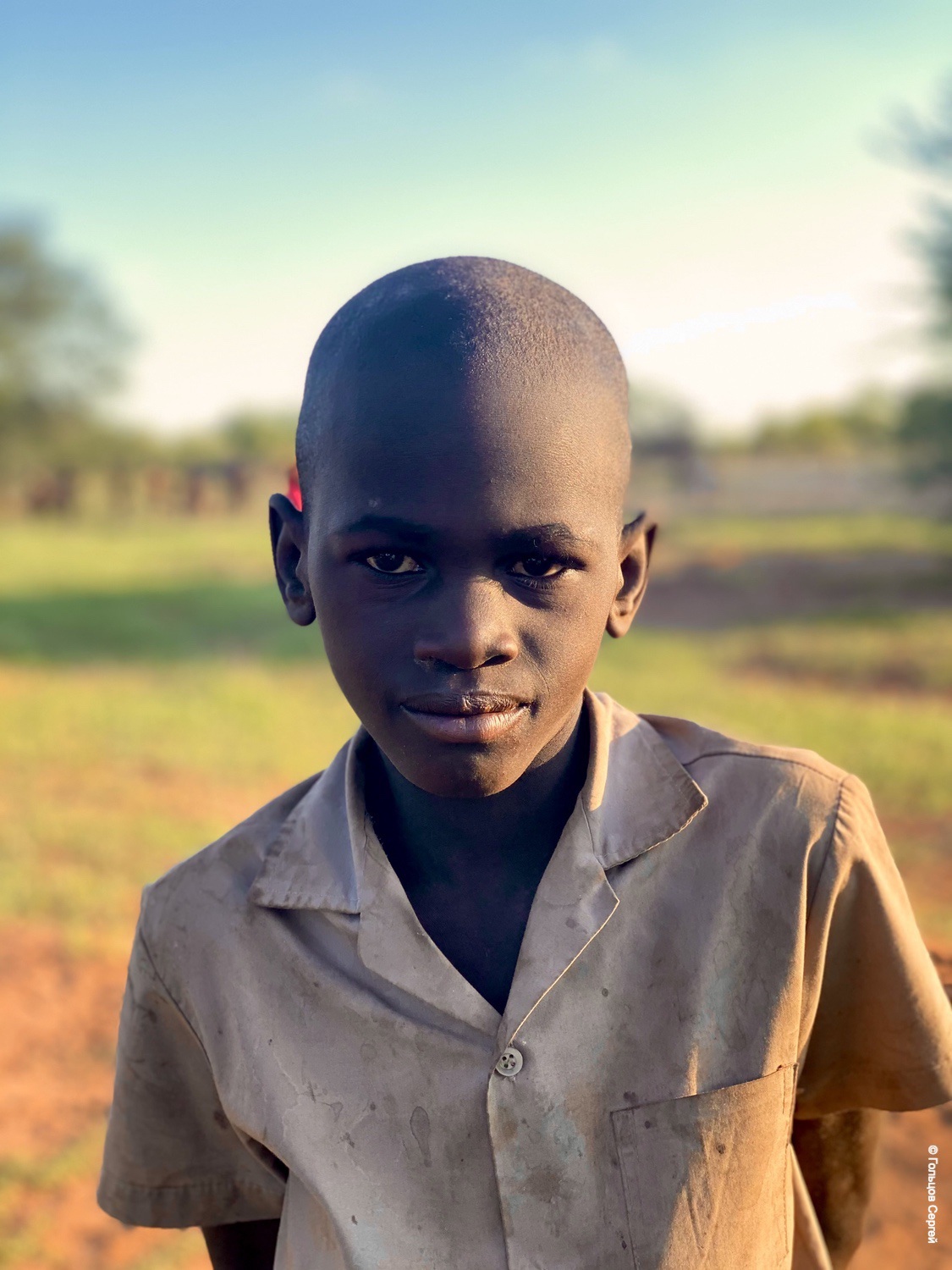
It's the way people look when they've been exposed to life too early.
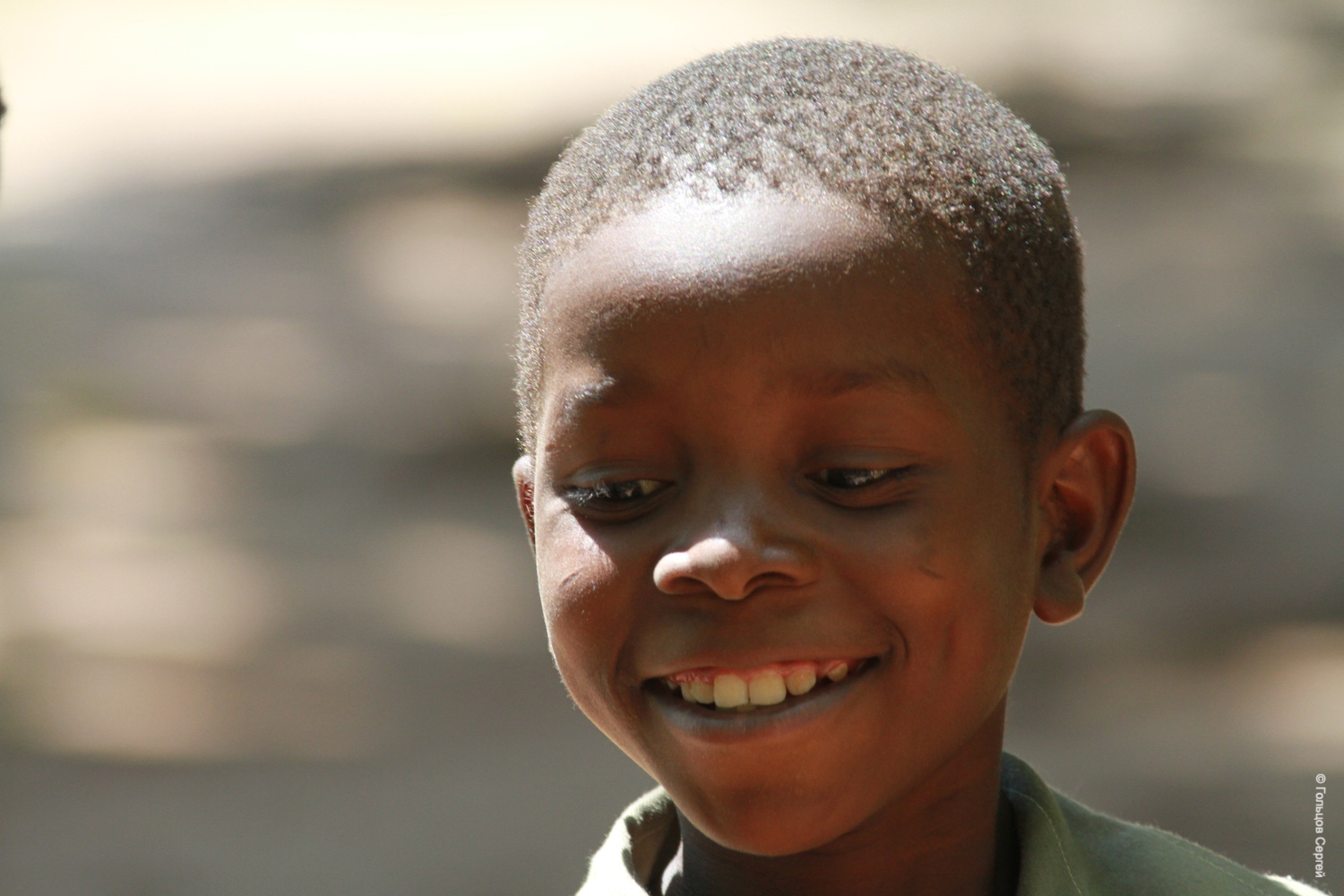
And yet, more often than not, there was joy in those eyes. Not happiness as a state of possession, but joy as the ability to live. Joy for no reason. Joy without guarantees. The joy of today.
Four boys hugging each other in front of the camera laughed so sincerely that for a moment everything around them disappeared: poverty, heat, cracked walls, old clothes. There was only laughter.
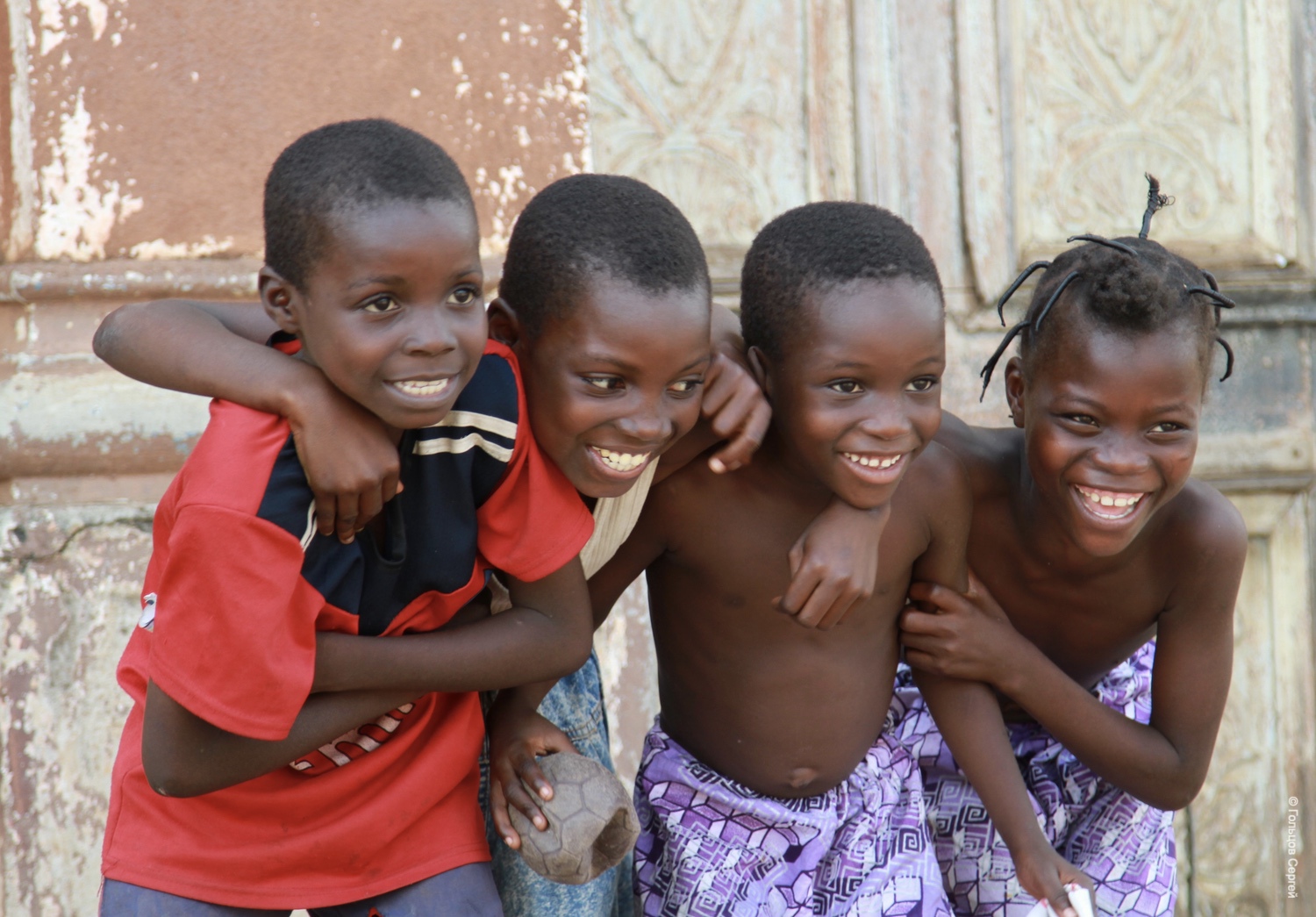
Then I realized that a human smile has nothing to do with wealth. She is born in some other place. That's probably why photos of African children are so hard to forget. They don't make you think about Africa. About us. About how many things we consider necessary for happiness. About how much effort we spend fighting for comfort. About how often we postpone joy for later. Someday. After the next project. After the next purchase. After the next victory. And these kids don't put anything off. They live now. And they're watching it now. Maybe that's why their eyes seem so deep. There is no future or past in them. There is only the present in them.
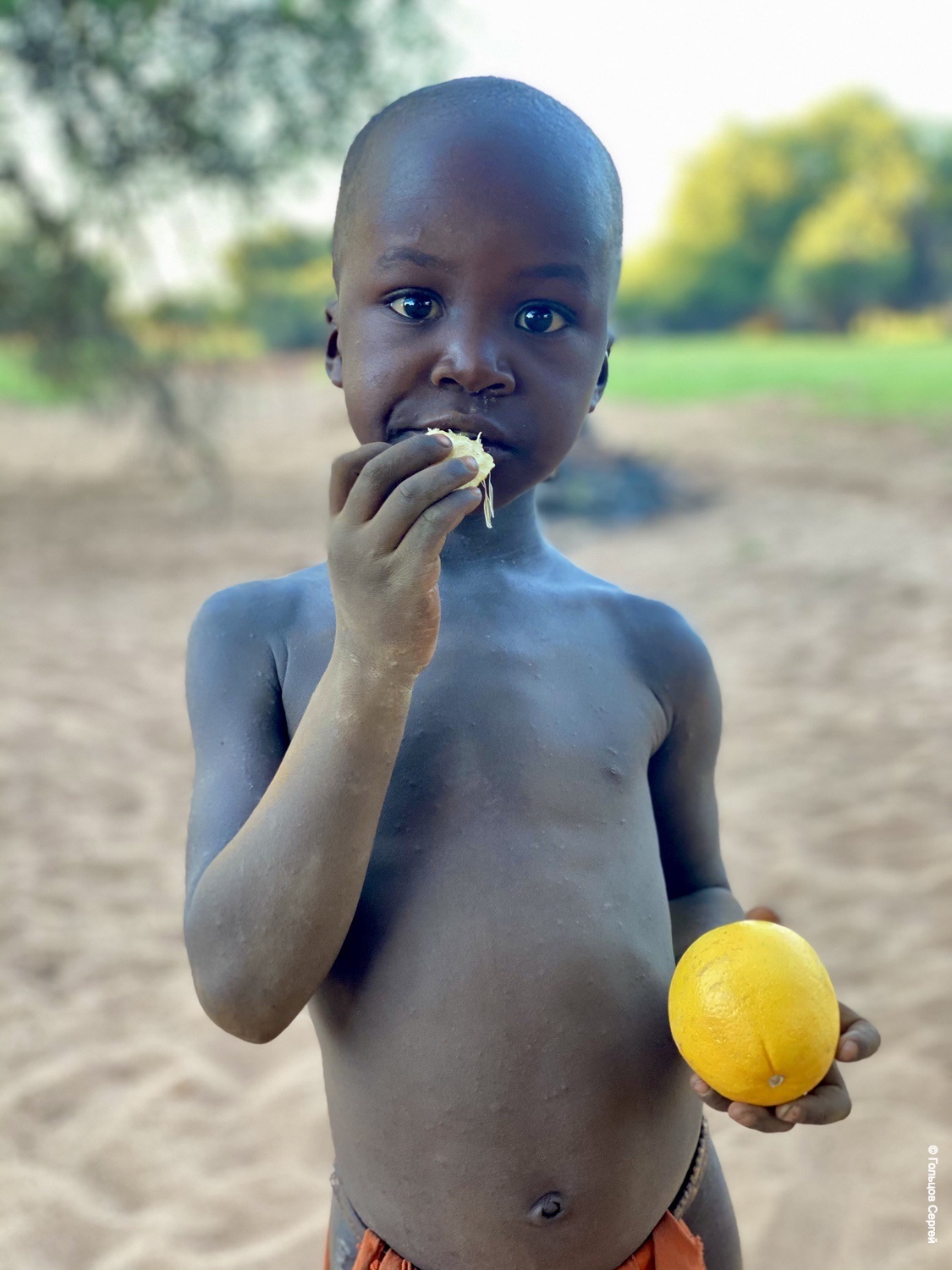
Today, looking at these photos years later, I increasingly think that I did not bring the pictures from Africa. The camera brought the pictures. I brought the views. Dozens of views that continue to live somewhere inside me and from time to time remind me of a simple thing: human value is not measured by what we own. It is measured by how we look at the world. And perhaps that's why the eyes of African children remain one of the most beautiful landscapes I've ever seen.
Friends, I have a great event! Every letter matters, but today is a special day – the first time in my life I received a letter from the ruling monarch. More...
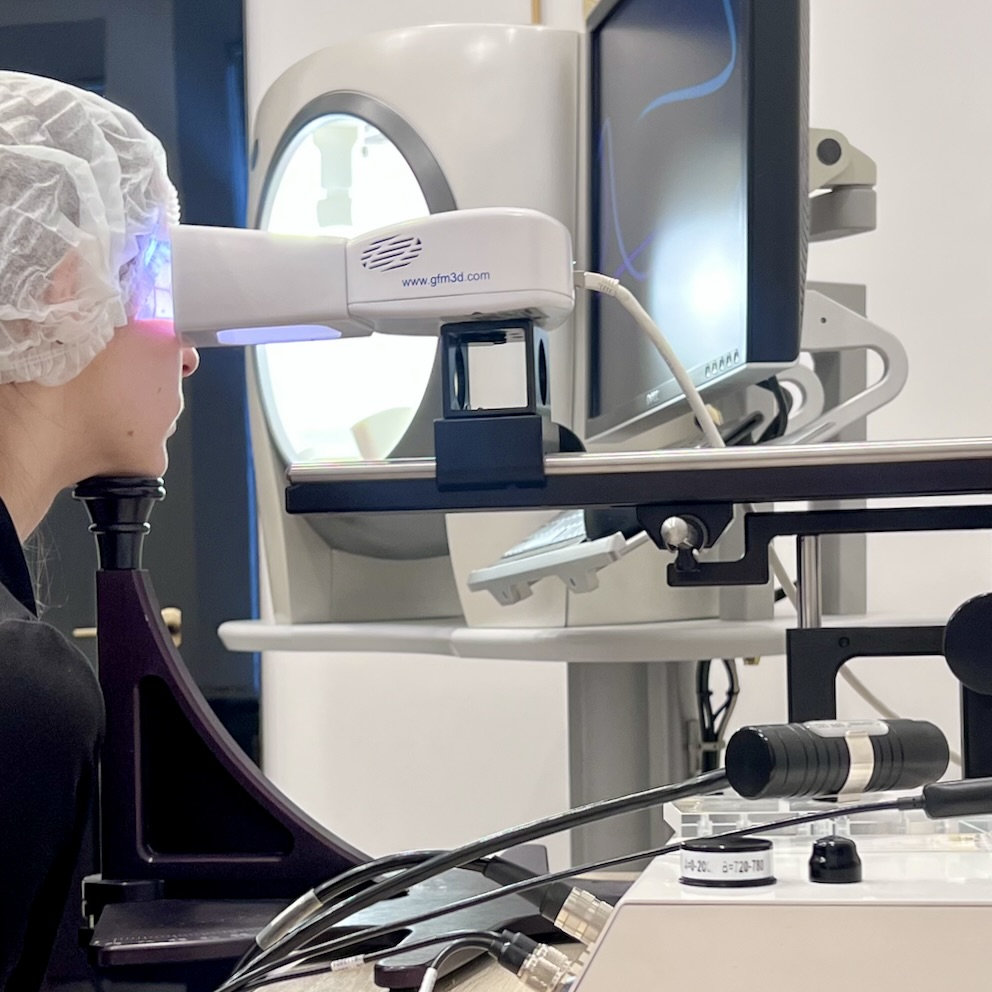
The assessment of the safety of products supplied to the market, without which the sale is impossible and illegal, protecting the consumer's health, does not guarantee him the effectiveness declared by the manufacturer. Meanwhile, there has long been equipment for assessing skin parameters, which in the hands of specialists can be used to objectively assess the effectiveness of cosmetic products and hardware methods.
In more detail...

You must admit that God watches us right through the dog’s eyes! How else can He watch us, people? And how else can one explain the dog’s look – sincere, speechless but understanding everything? This thought came to my mind 5 years ago though the events which had preceded it go back to the far year of 1998. Read more...
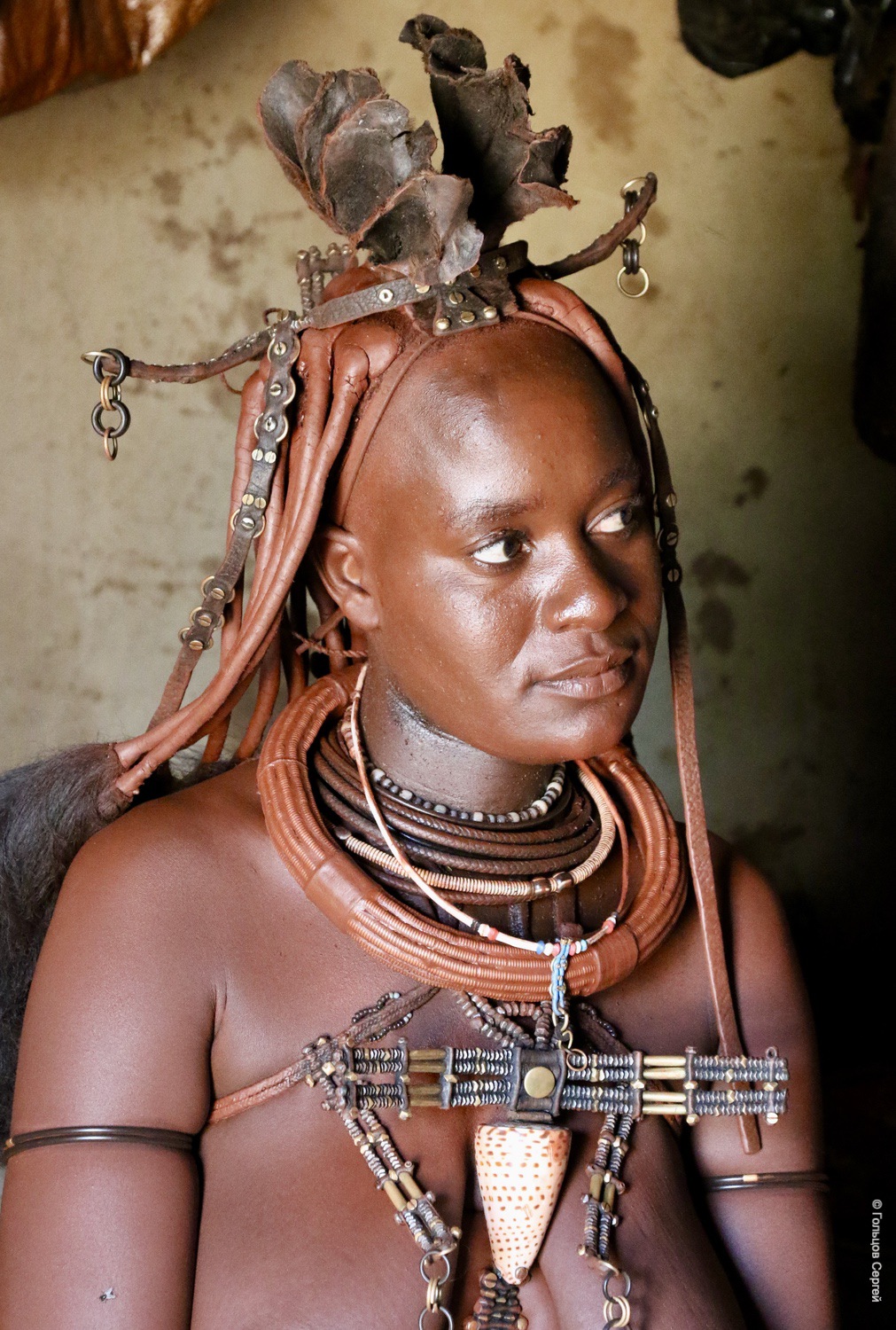
The Himba tribe is one of the most colorful and unique peoples of Africa, living in northern Namibia, in the Kunene region, near the border with Angola. It is a mistake to assume that these people are wild. Many Himba have dual citizenship - Himba and Namibia (not many of us can boast passports from two countries :)), but they do not fully recognize Western laws. Their culture, way of life and appearance have remained virtually unchanged for centuries despite globalization. It is understandable that young people leave for the cities, but they also often return to their roots. And why? Let's try to figure it out together...