


The ability to repair is the most important property of the skin that determines the closure of a wound or injury "at all costs". However, healing can be with or without scarring. So what is the secret?






SUBSTANCE: invention provides a method for producing a heterogenous skin cell population implying the sampling of a skin biopsy material at a depth of 2 mm, tissue homogenisation in 0.9% aqueous sodium chloride at temperature +23 … +25°C, recovery of homogenate, filtration of the homogenate through an inert filter cloth with the pore diameter of 20 mcm, centrifugation of the homogenate at 400 g for 5 minutes at temperature +23 … +25 C.
EFFECT: skin cell separation and viability preservation.

The ability to repair is the most important property of the skin that determines the closure of a wound or injury "at all costs". However, healing can be with or without scarring. So what is the secret?
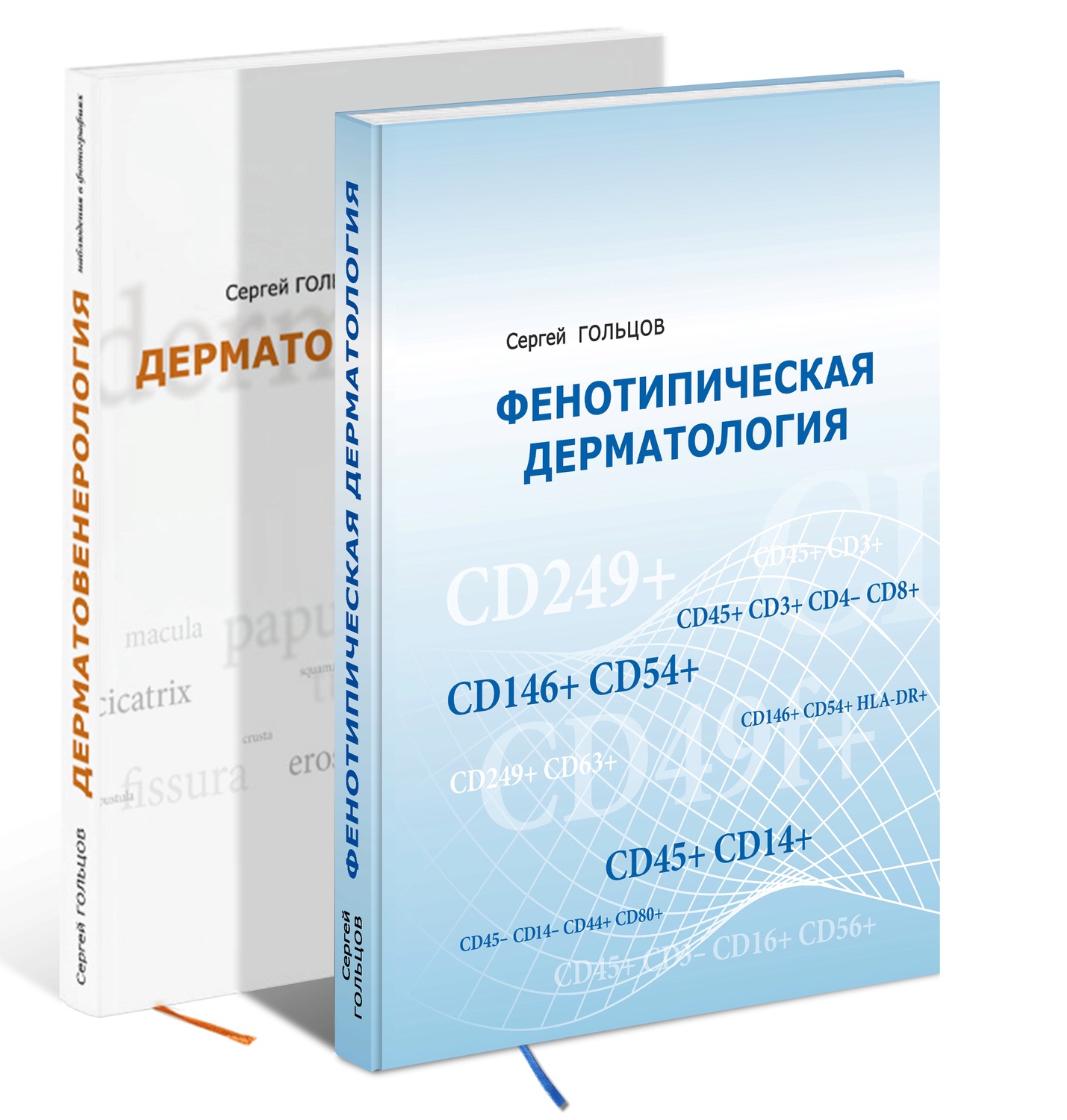
Surprisingly, there are 14 years between these books. That's exactly how long Leo Tolstoy felt one cycle of human maturation constitutes. He had an almost intimate idea of dividing life into periods—conditional periods in which, every fourteen years, a person reaches a new level of understanding.
If, putting aside excessive modesty (briefly and strictly for scientific purposes), we apply this logic to ourselves, a curious picture emerges.
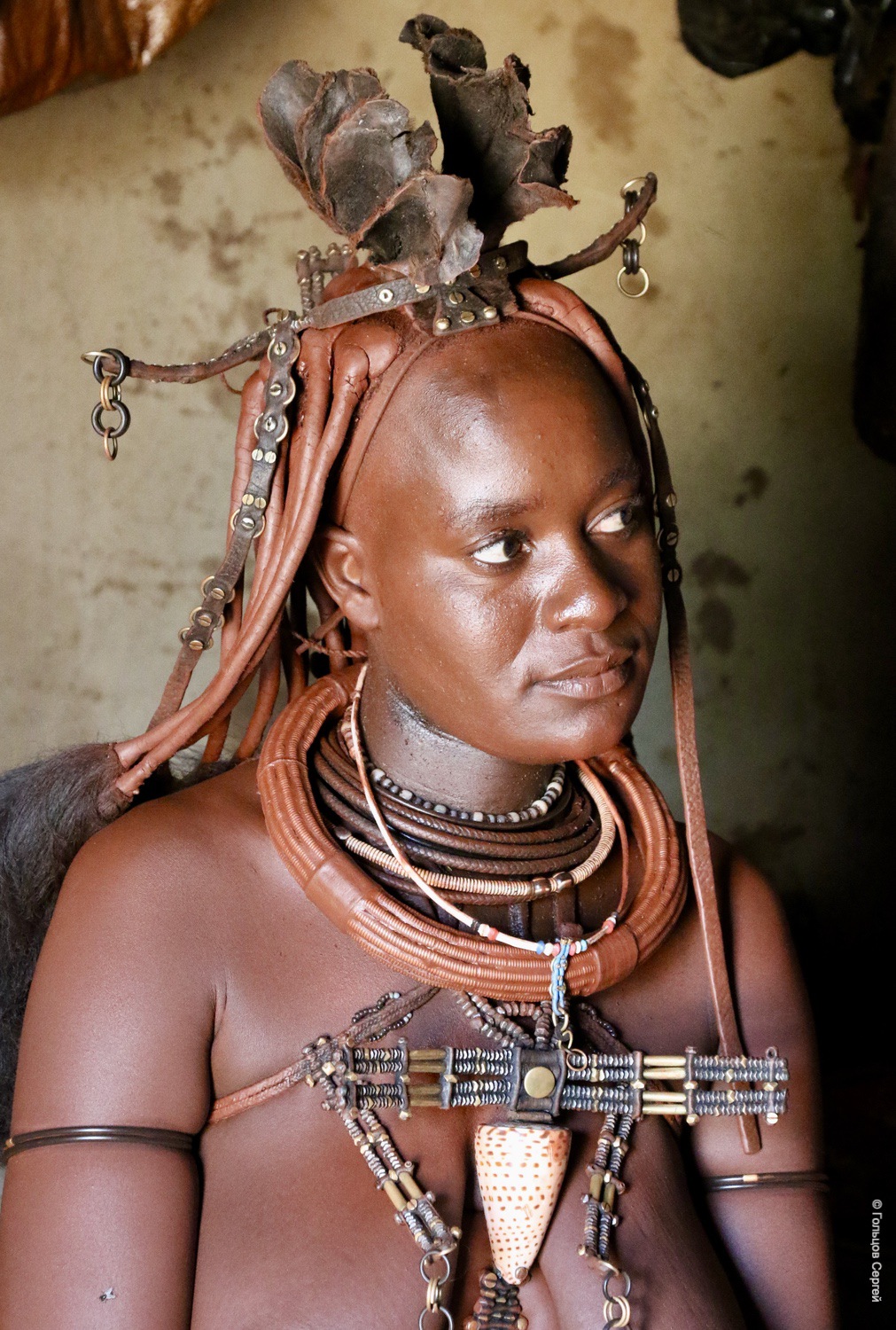
The Himba tribe is one of the most colorful and unique peoples of Africa, living in northern Namibia, in the Kunene region, near the border with Angola. It is a mistake to assume that these people are wild. Many Himba have dual citizenship - Himba and Namibia (not many of us can boast passports from two countries :)), but they do not fully recognize Western laws. Their culture, way of life and appearance have remained virtually unchanged for centuries despite globalization. It is understandable that young people leave for the cities, but they also often return to their roots. And why? Let's try to figure it out together...
