

My projects
Photo Video Blog Books
Goltsov Sergey
I serve the art of medical doubt

Official scientific report of expedition KON-TIKI II

Ещё в блоге:

Living with cannibals has turned out to be possible… if there’s a will!

Looking into the eyes of this female leader of the Korowai tribe who are still considered to be cannibals, one may think there will be a more vivid experience during our life but the state of shock is still holding us hard! Read more…

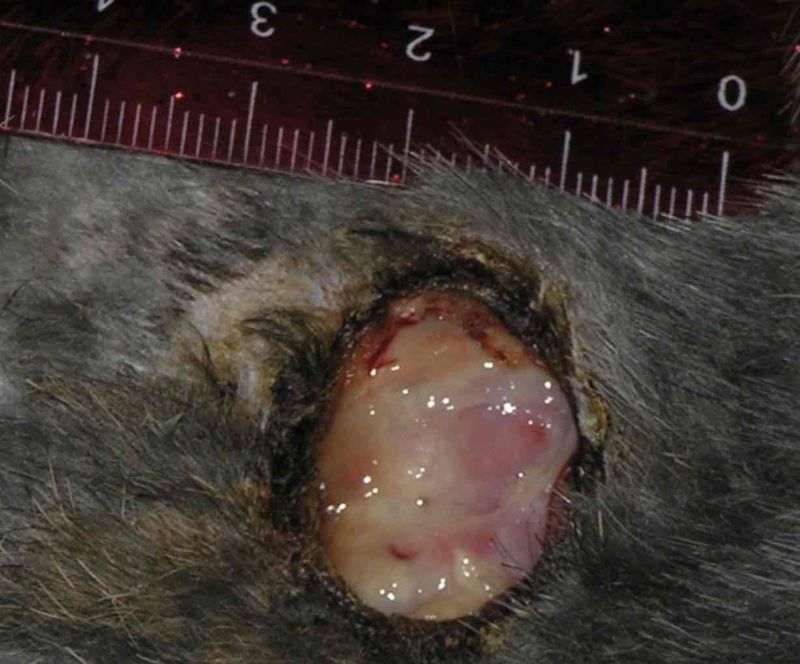
A device for activating the reparative potencies of skin cells (utility model patent)

A device for activating the reparative potencies of skin cells... read about the device

One of the cities obligatory for visiting on the way to the Papuans – Jakarta

I want to take a breath – we have done it! The expedition Live Parallel 2013 – Papua New Guinea where we walked many kilometers through the jungle, spent tens of kilometers inside the tarantas and hundreds of kilometers on board small planes flying on the same principle as a route-taxi, has come to an end without loss and above all with the result! But it could be otherwise… Well, let us not talk about sad things but about interesting ones, so… Jakarta was the first place to see.


Sacred Paste, Smoke Baths and the Charm of the Himba Cultural Code

The Himba tribe is one of the most colorful and unique peoples of Africa, living in northern Namibia, in the Kunene region, near the border with Angola. It is a mistake to assume that these people are wild. Many Himba have dual citizenship - Himba and Namibia (not many of us can boast passports from two countries :)), but they do not fully recognize Western laws. Their culture, way of life and appearance have remained virtually unchanged for centuries despite globalization. It is understandable that young people leave for the cities, but they also often return to their roots. And why? Let's try to figure it out together...