


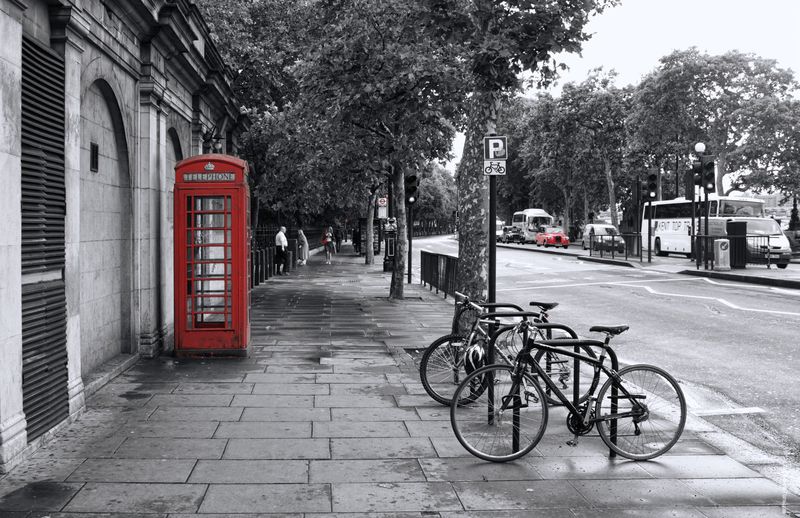
В прежние времена, будь то в СССР или Англии, чтобы позвонить из автомата на улице, мы платили денежку и несколько минут у тебя было для разговора. Куда подевалось это прекрасное условие? есть предложение






В прежние времена, будь то в СССР или Англии, чтобы позвонить из автомата на улице, мы платили денежку и несколько минут у тебя было для разговора. Куда подевалось это прекрасное условие? есть предложение
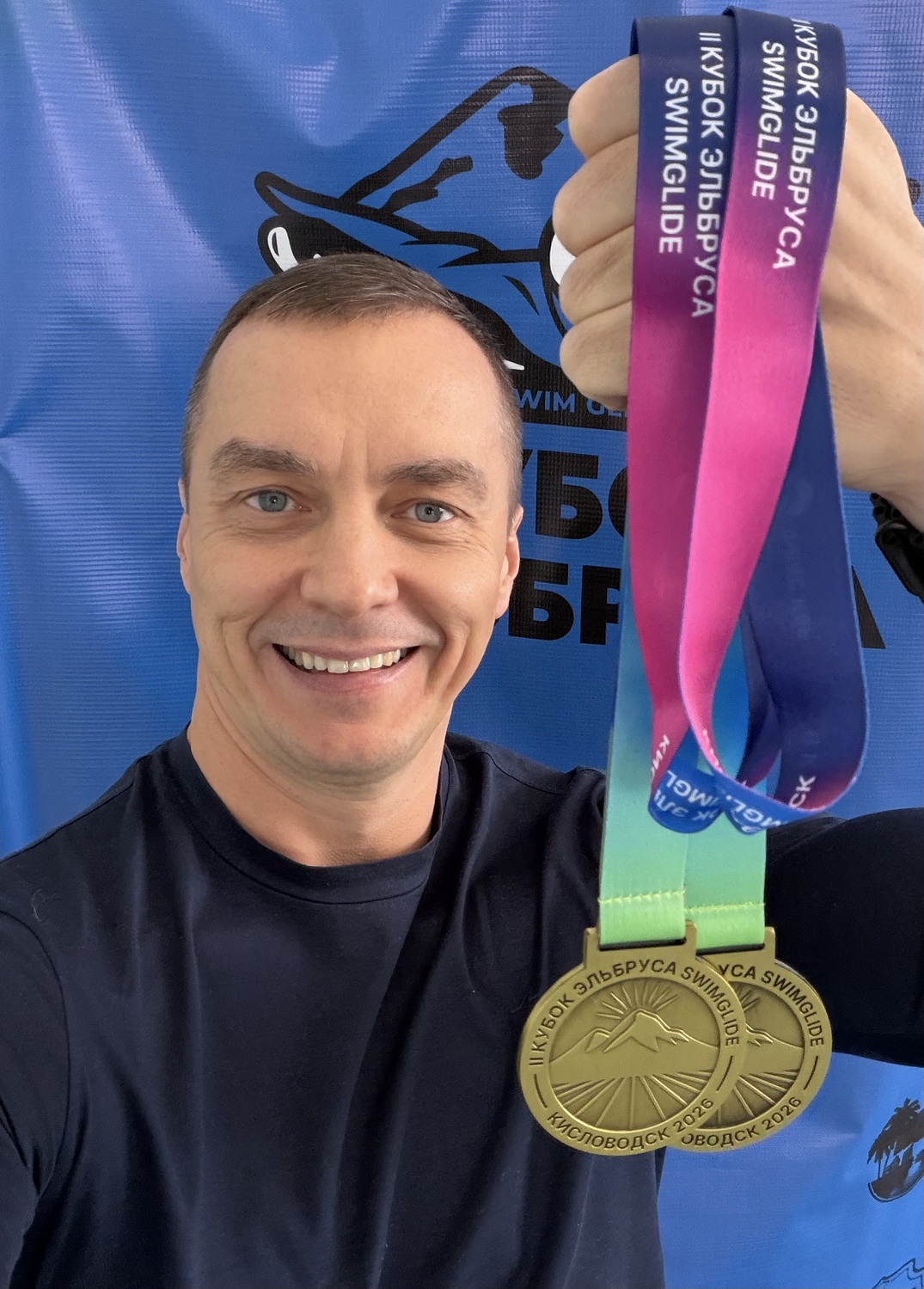
However...s ago, my parents traveled to the Caucasian Mineral Waters. The mountains, the narzans, the clear air, and the long walks... Apparently, this is where my story began. At that time, I was a rather microscopic creature with a tail, but I was probably quite fast. According to biology, the fertilizing speed of a sperm cell is around 25 meters per second. This means that I was swimming much faster than I am now. However...
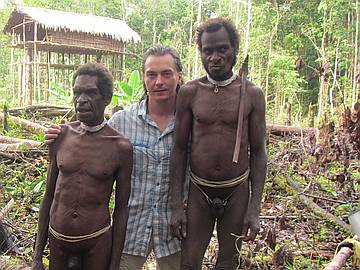
I want to take a breath – we have done it! The expedition Live Parallel 2013 – Papua New Guinea where we walked many kilometers through the jungle, spent tens of kilometers inside the tarantas and hundreds of kilometers on board small planes flying on the same principle as a route-taxi, has come to an end without loss and above all with the result! But it could be otherwise… Well, let us not talk about sad things but about interesting ones, so… Jakarta was the first place to see.
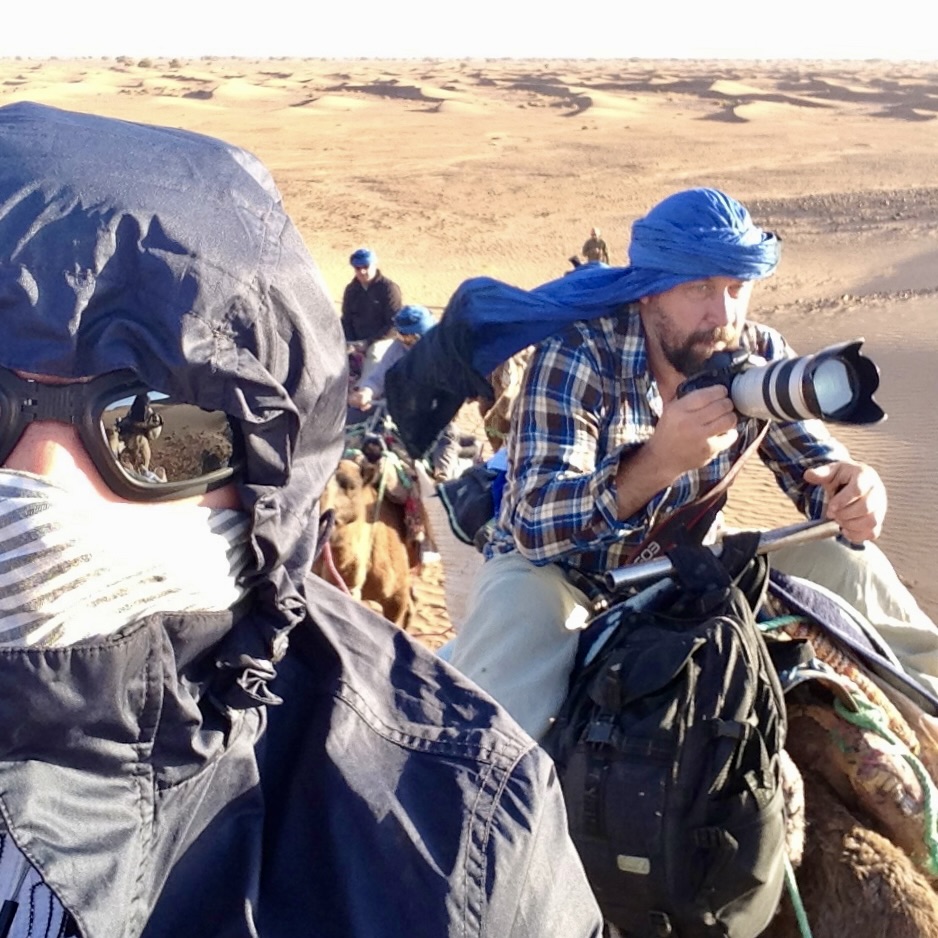
After twelve years of successful expeditionary experience, the LIVING PARALLEL broadens the horizon of its search. Since 2019, the program of continuous round-the-WORLD STUDY of the possibilities of Culture as a "second nature" and man in local cultures has been continuing.
Stage 1 has already taken place in New Zealand, and the next stage is ahead – South and Central Africa – 2021