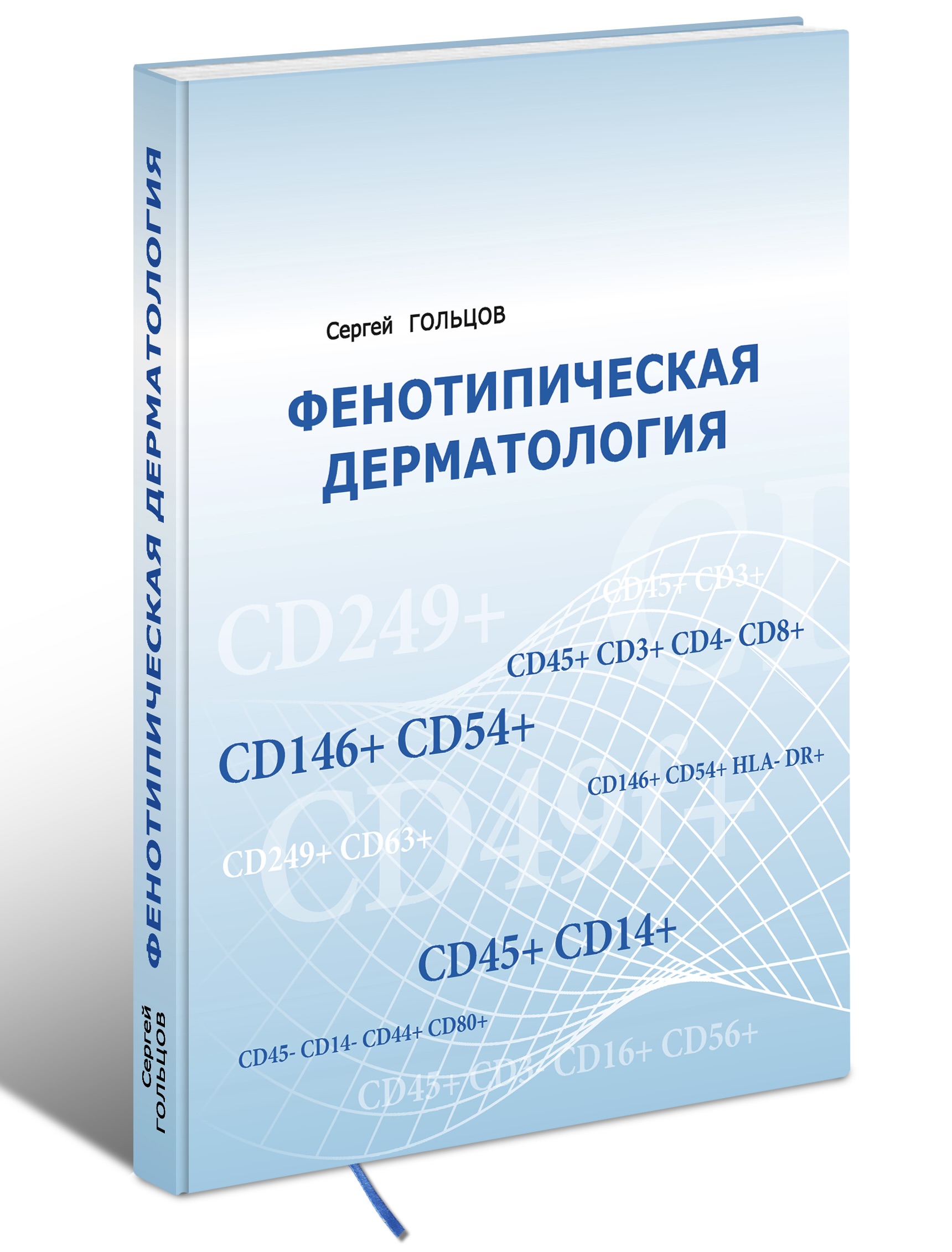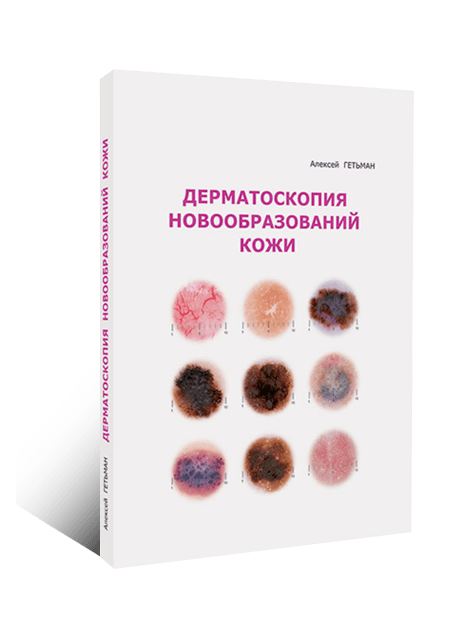





from morphological observation to phenotypic analysis and management of skin conditions
____________________
It is remarkable that fourteen years lie between these two books — a span that, as Leo Tolstoy suggested, can encompass an entire cycle of inner maturation. A span often considered sufficient to arrive at understanding.
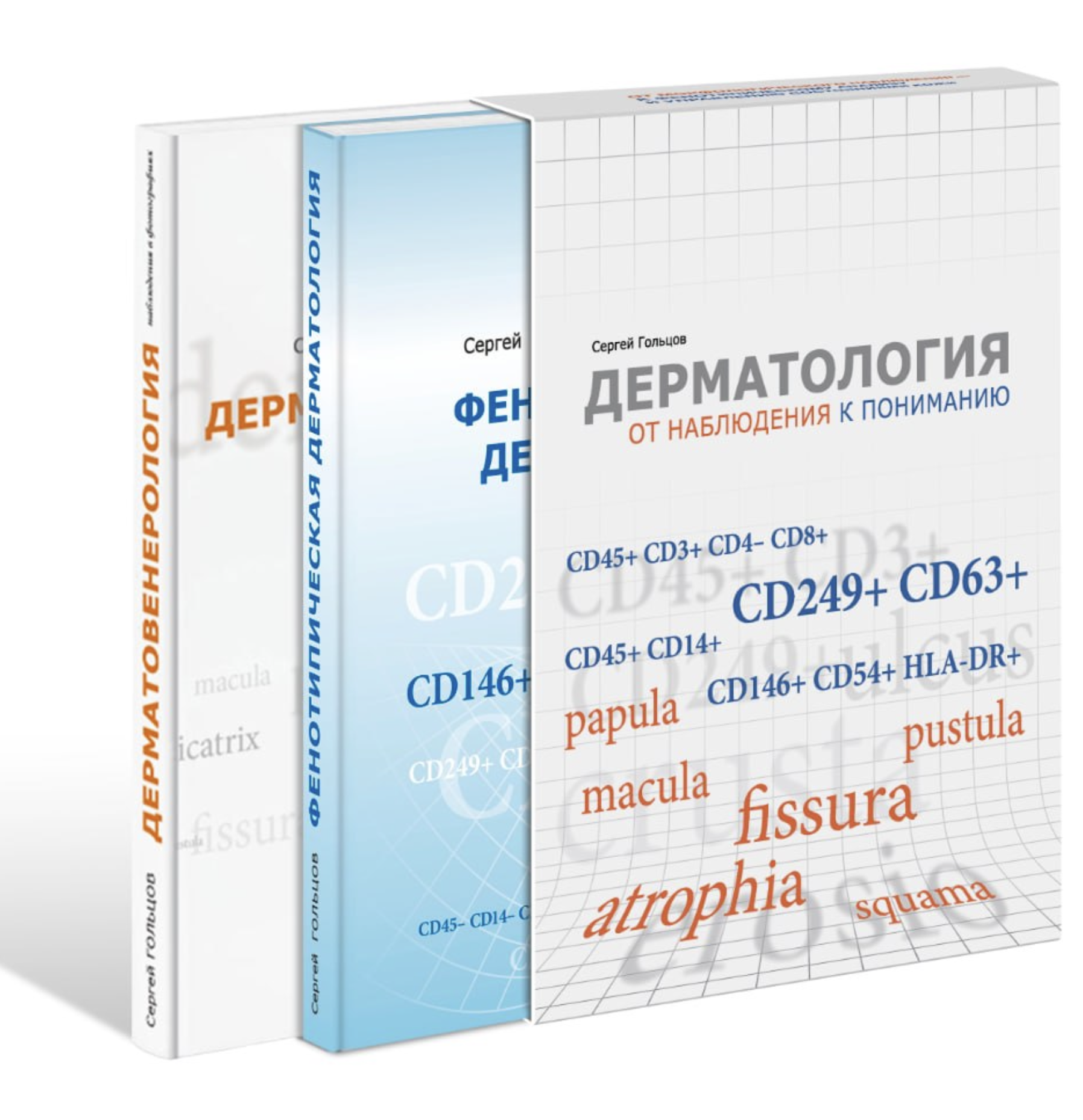
If one allows this perspective, the first book was about what we see, whereas the second is about what it means. During this time, dermatology — at least in my personal experience — has shifted from description to differentiation, from symptom to phenotype. The symptom has revealed itself to be merely a surface, beneath which lies a structured organization of states, accessible to analysis.
Looking back, one begins to realize that these fourteen years were not a pause, but a transition. And perhaps the most important aspect of this story is not what has already been written, but what is only now beginning to become understood.
And if this transition has indeed taken place, then the next step is inevitable: understanding must become controllable. Otherwise, all of this will remain nothing more than a more precise way of observing.
In fact, this box presents a consistent ontology of a new type of dermatology, in which the stages are clearly traced.:
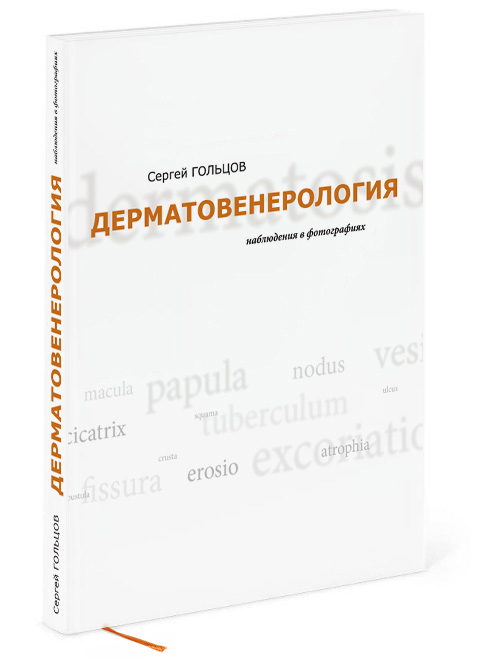 1. Dermatovenerology. Observations in photos about:
→ Observation
→ morphology
→ language of the symptom
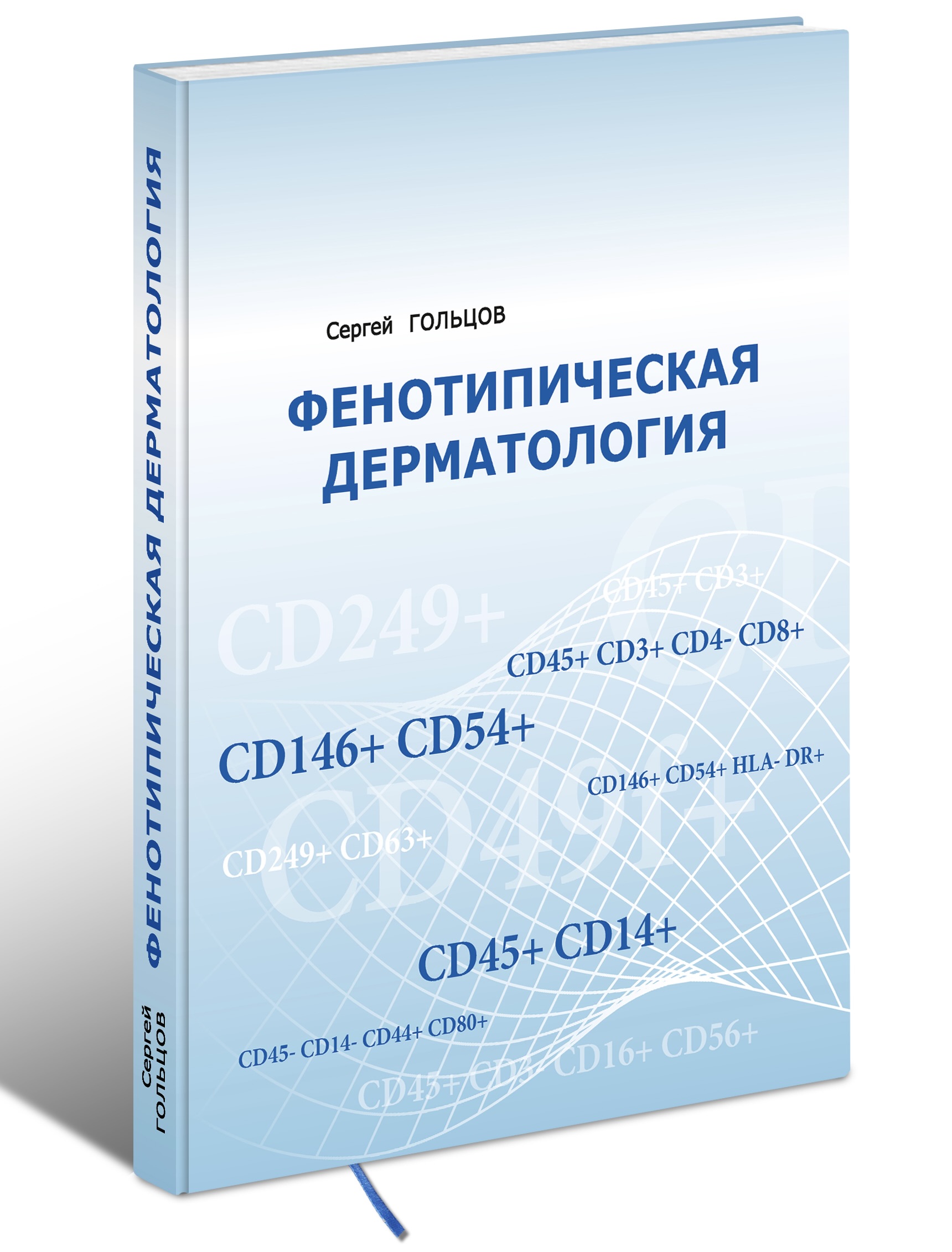 2 . Phenotypic dermatology pro:
→ discrimination
→ the cell
→ language of explanation