Frequently Asked Questions
______________
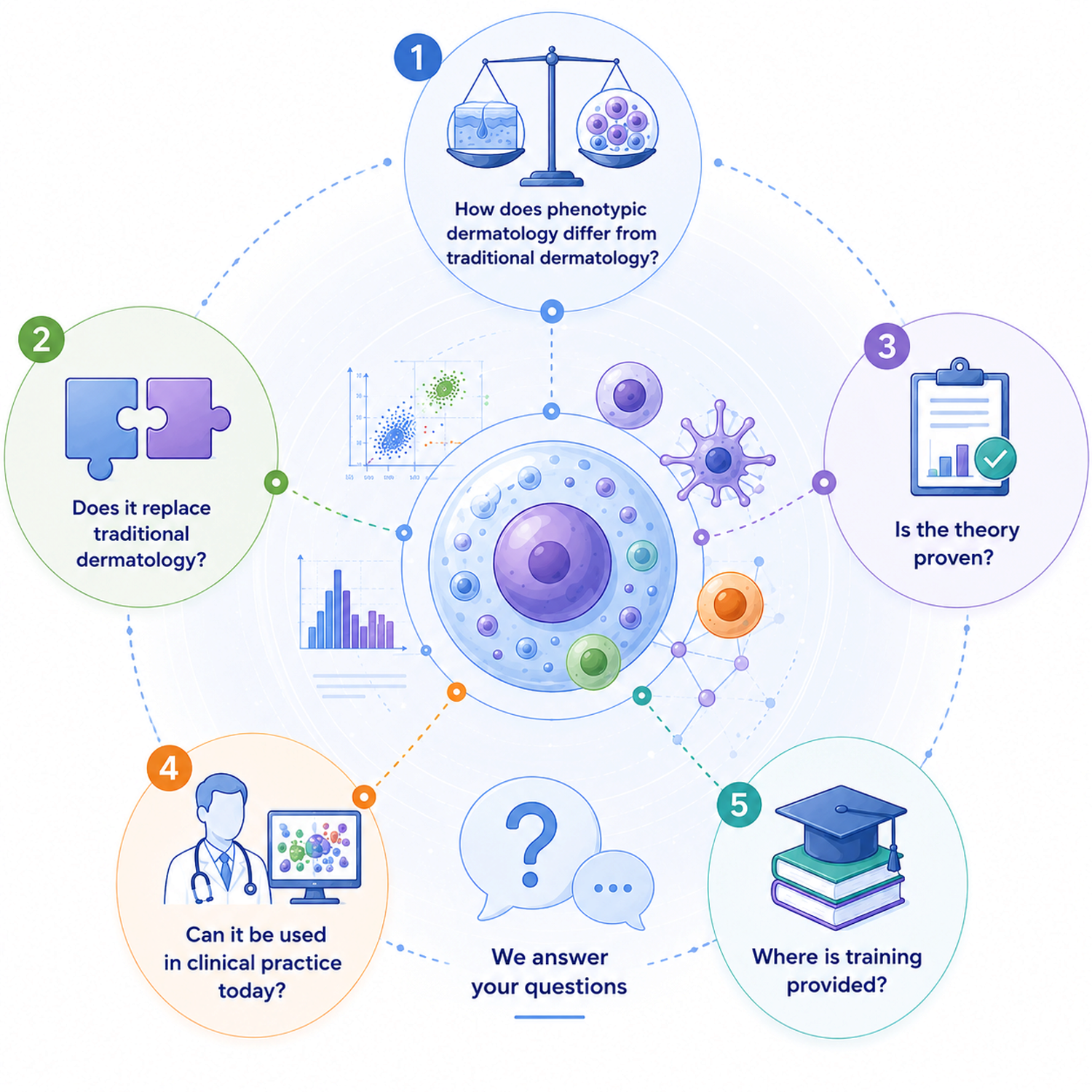
How does phenotypic dermatology differ from classical dermatology?
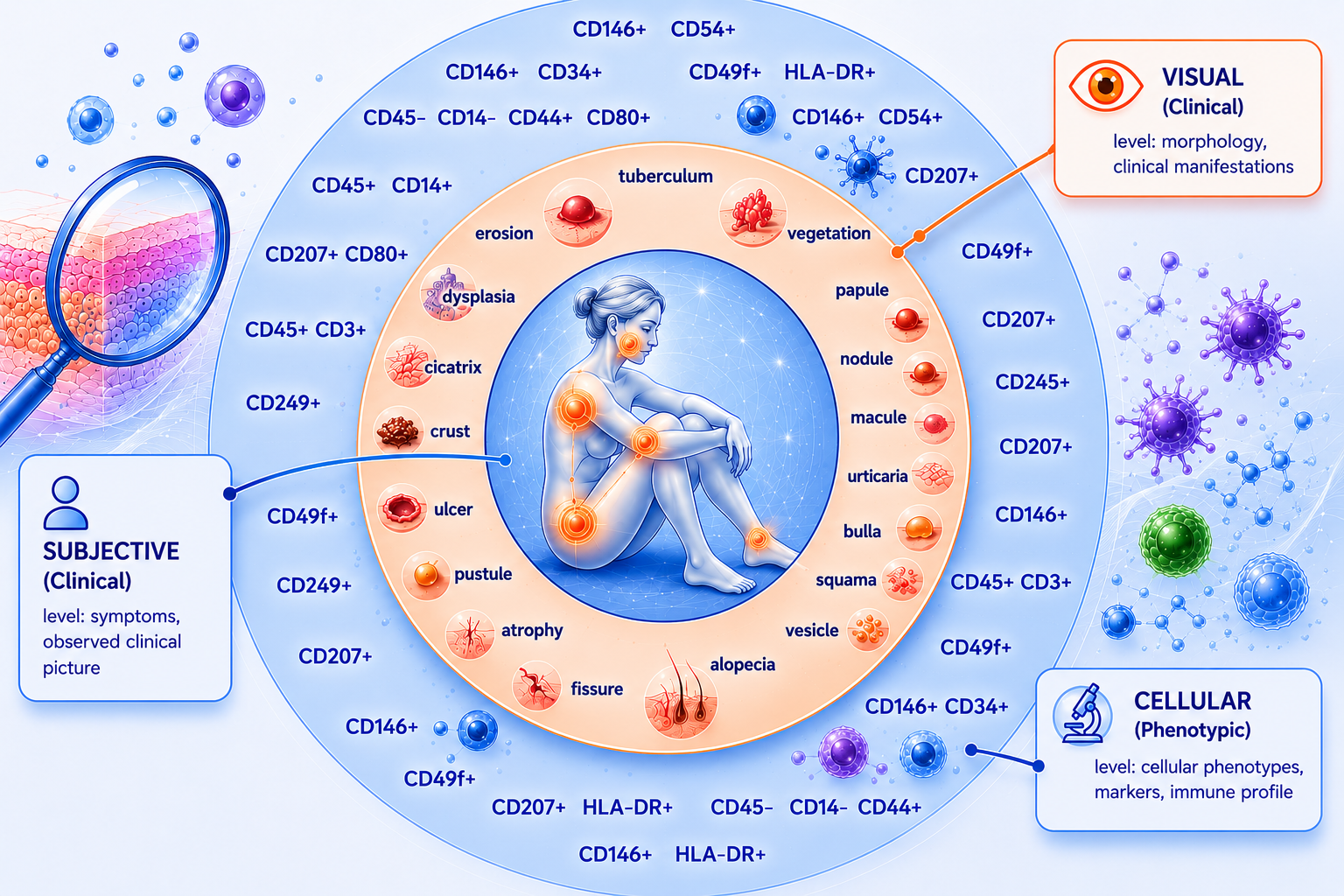
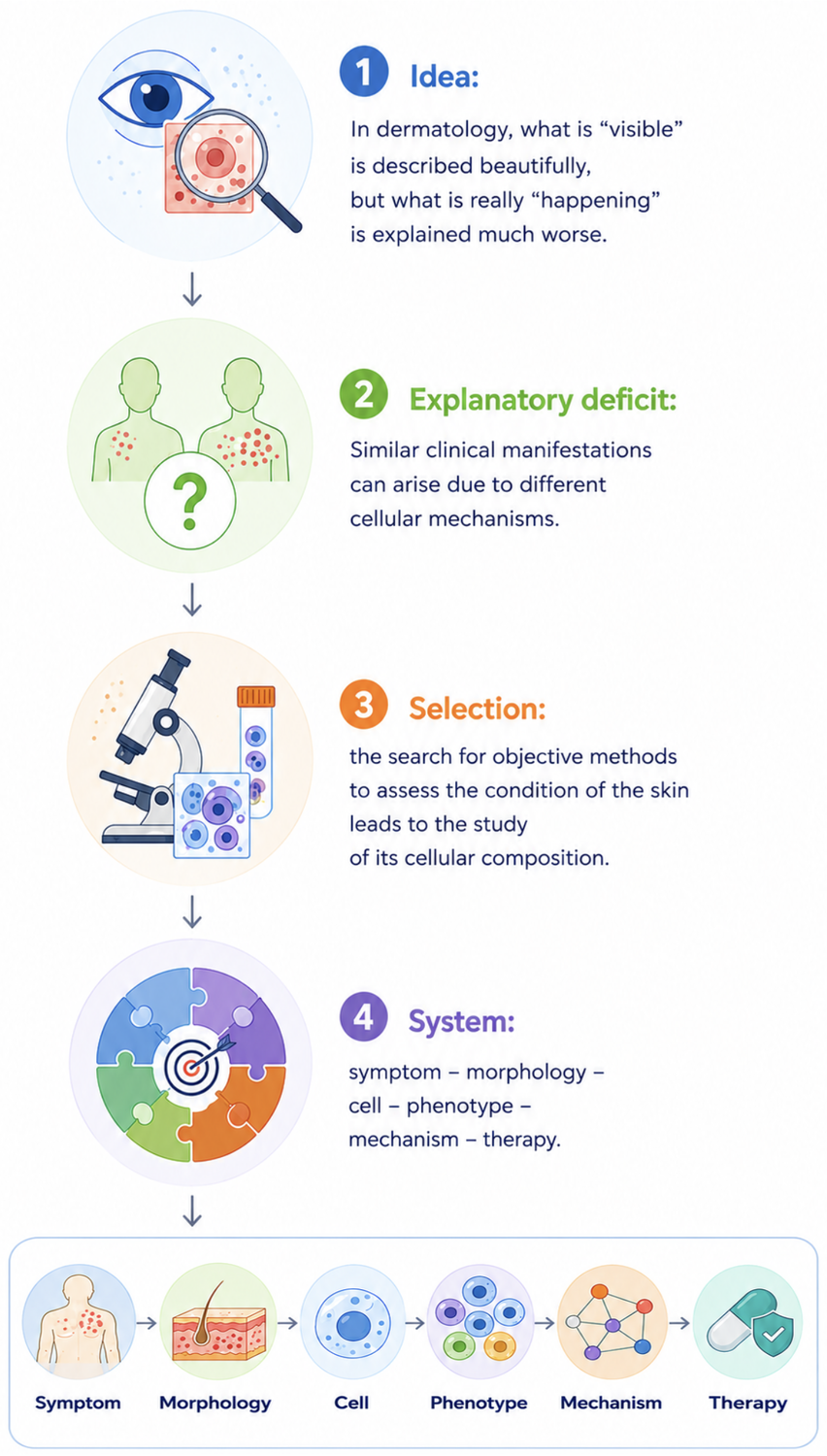
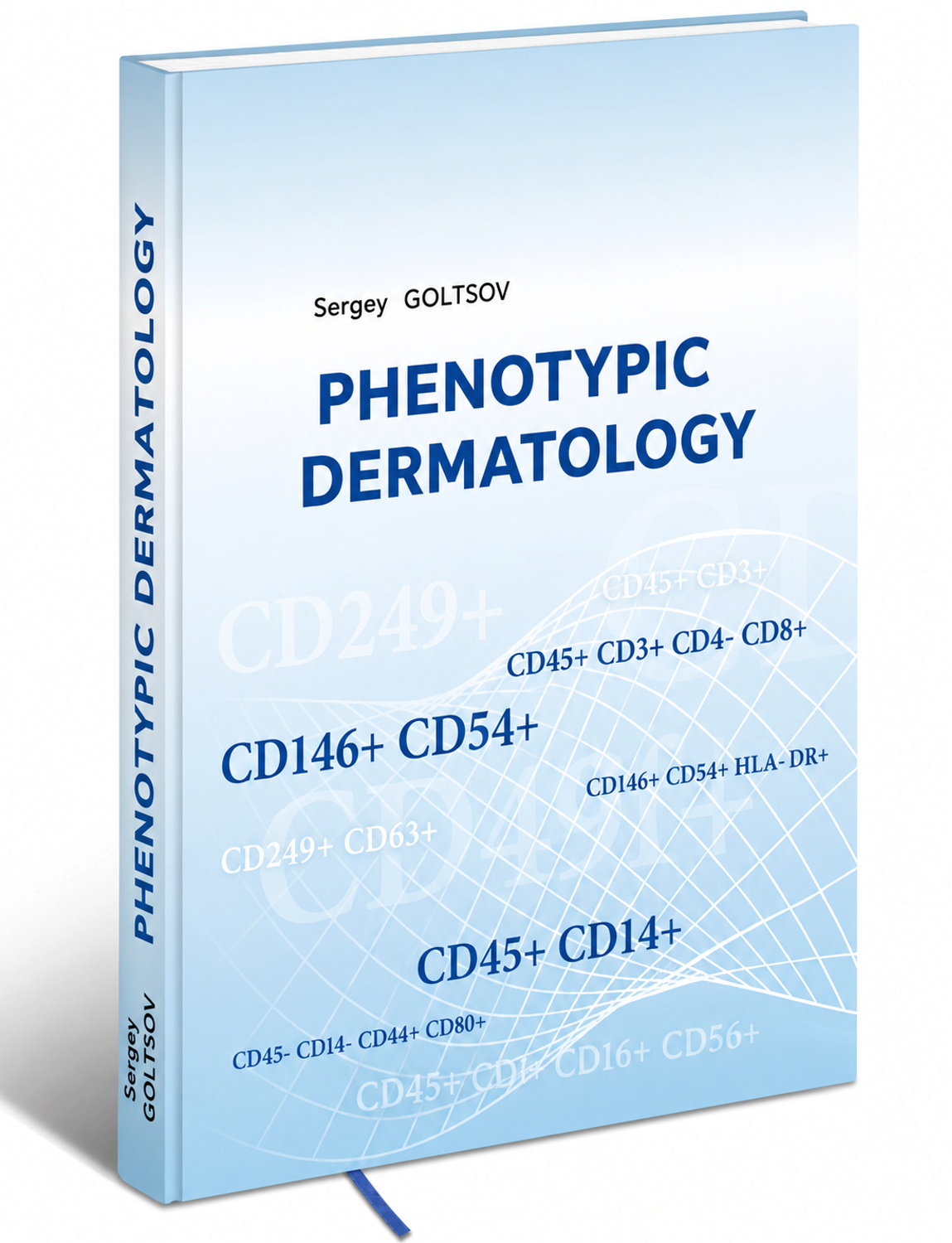
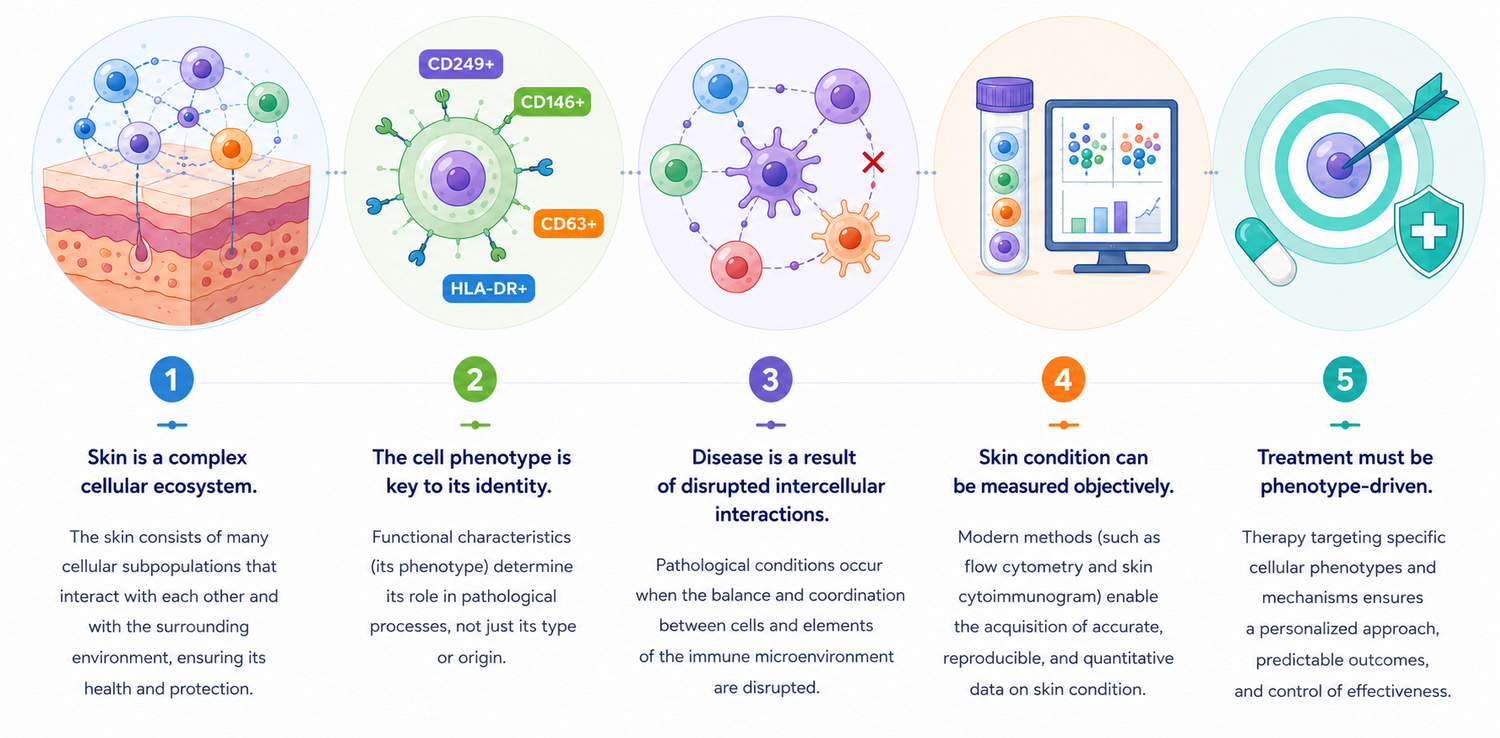
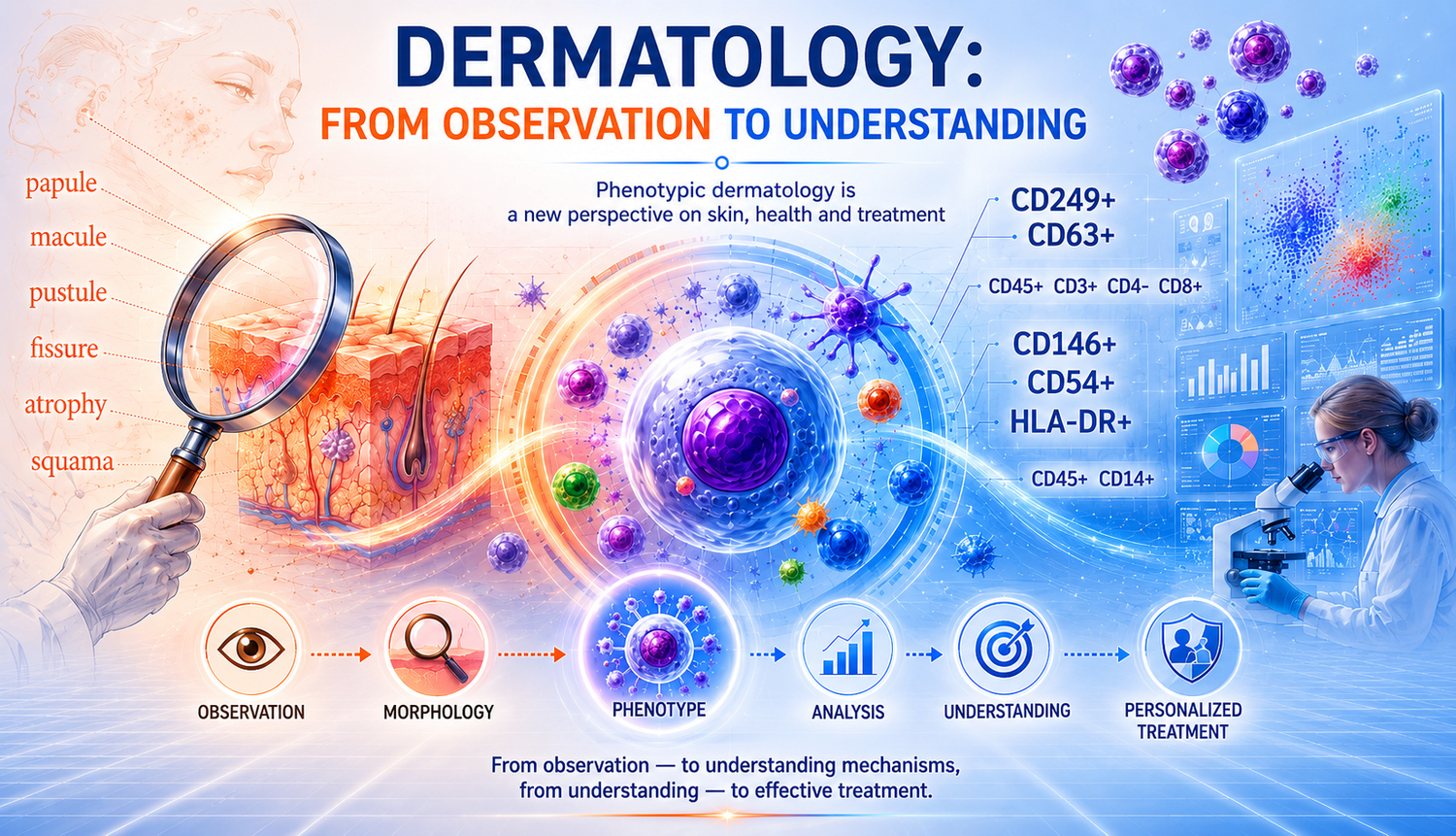
Classical dermatology mainly relies on a visual assessment of the skin and a description of the morphological elements of the rash. Phenotypic dermatology complements this approach with the study of the cellular composition of the skin, cell phenotypes and their interactions, allowing us to move from observation to objective measurement of the processes underlying the disease.
Does it replace traditional dermatology?
No. Phenotypic dermatology is not opposed to classical dermatology, but develops it. Clinical examination, the doctor's experience and morphological diagnostics retain their importance, but are complemented by modern methods of objective analysis of the skin condition.
Is the theory proven?
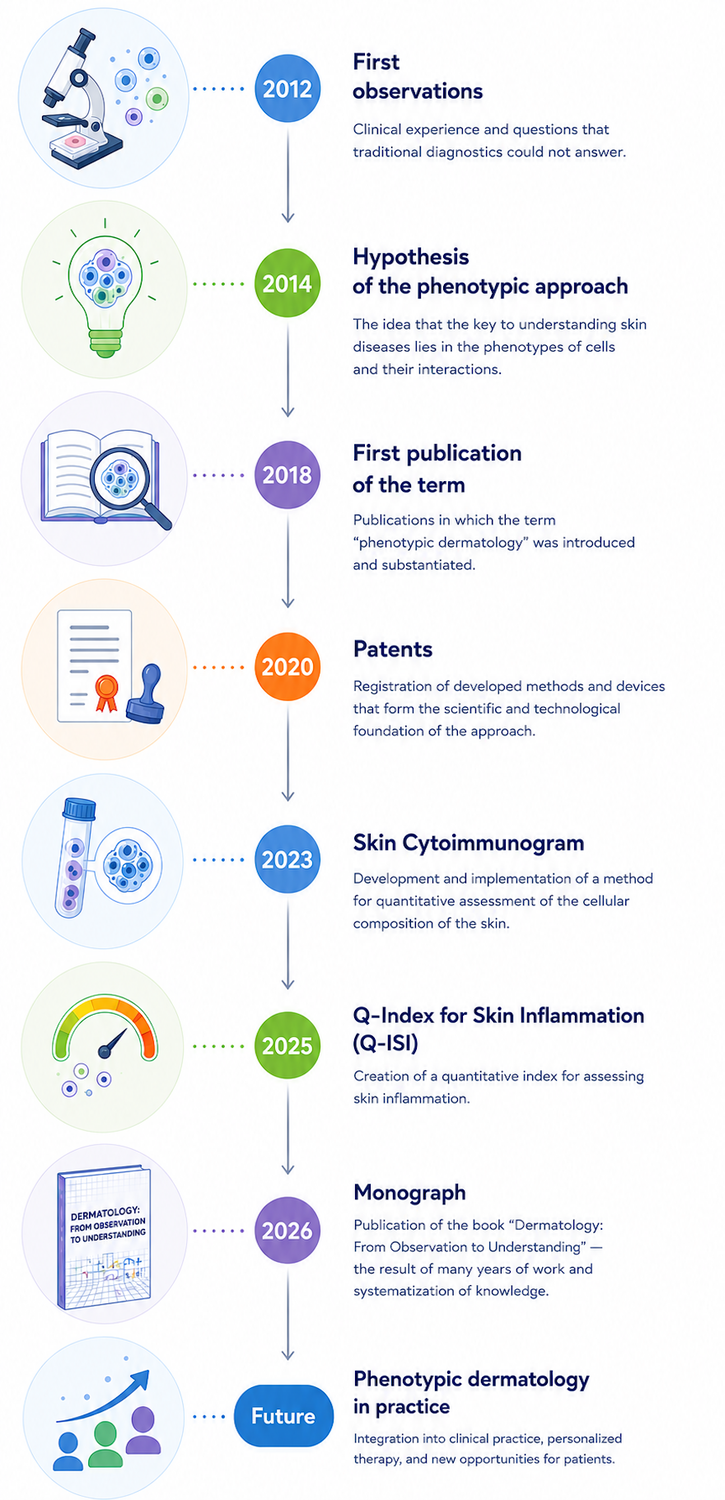
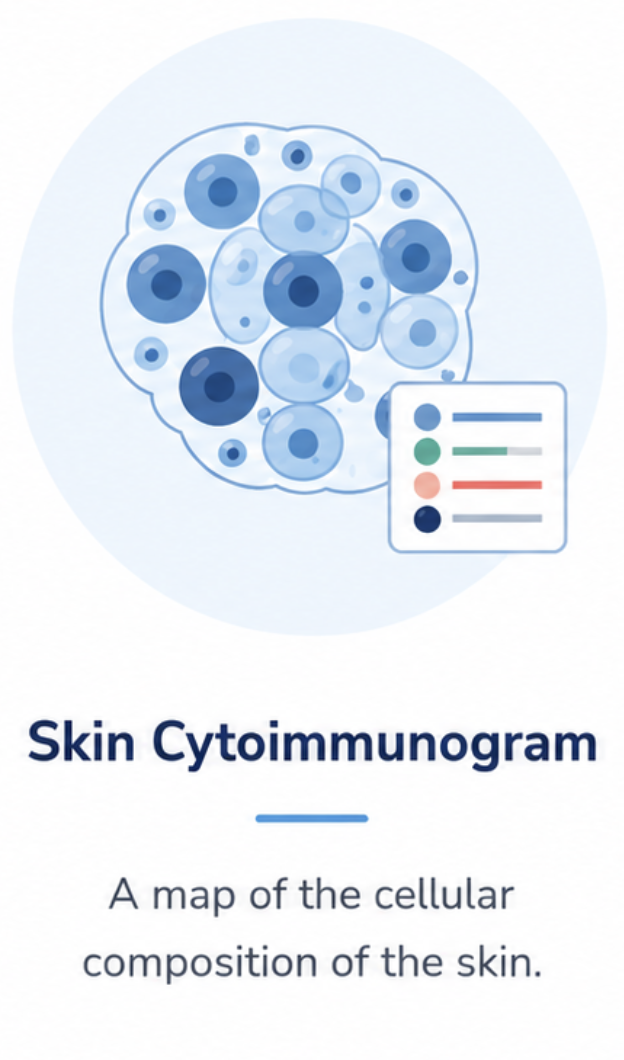
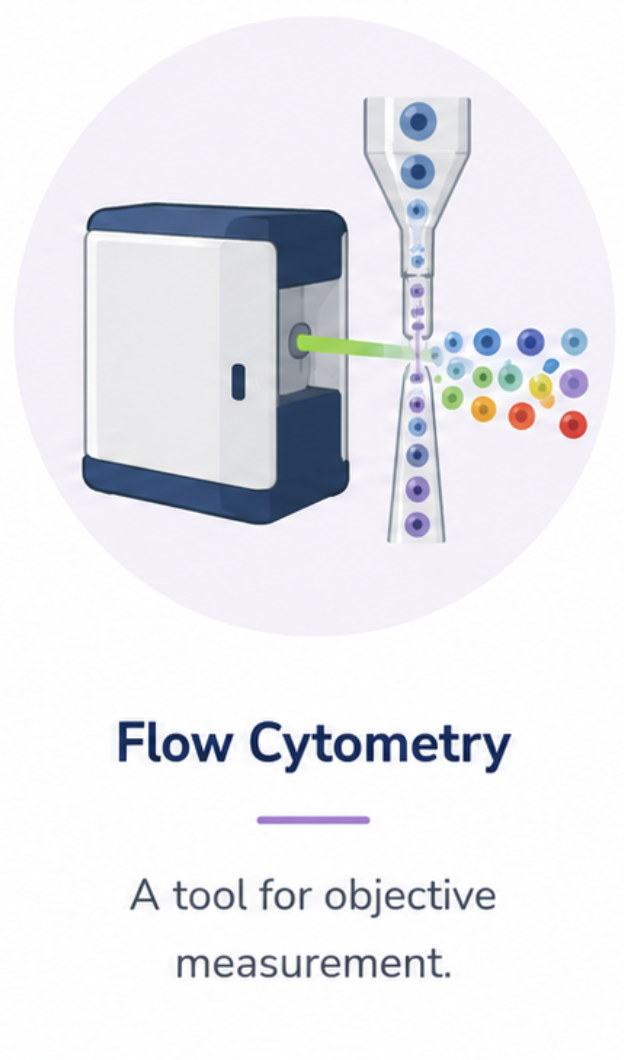
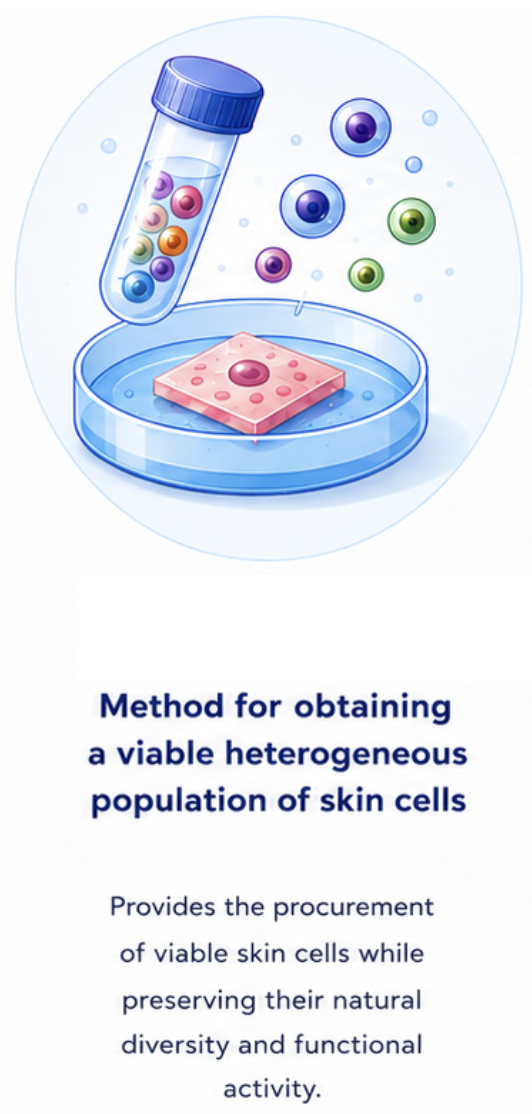
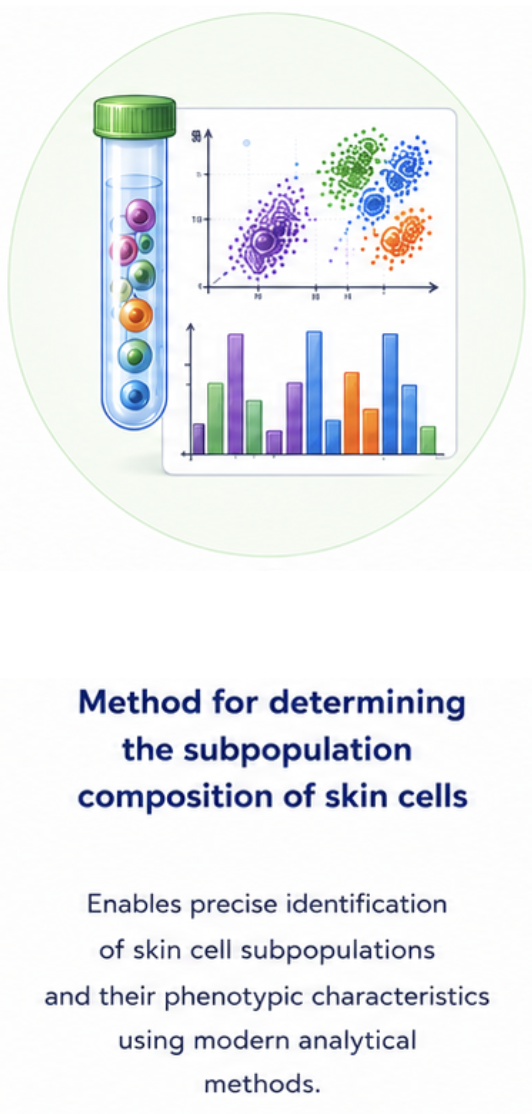
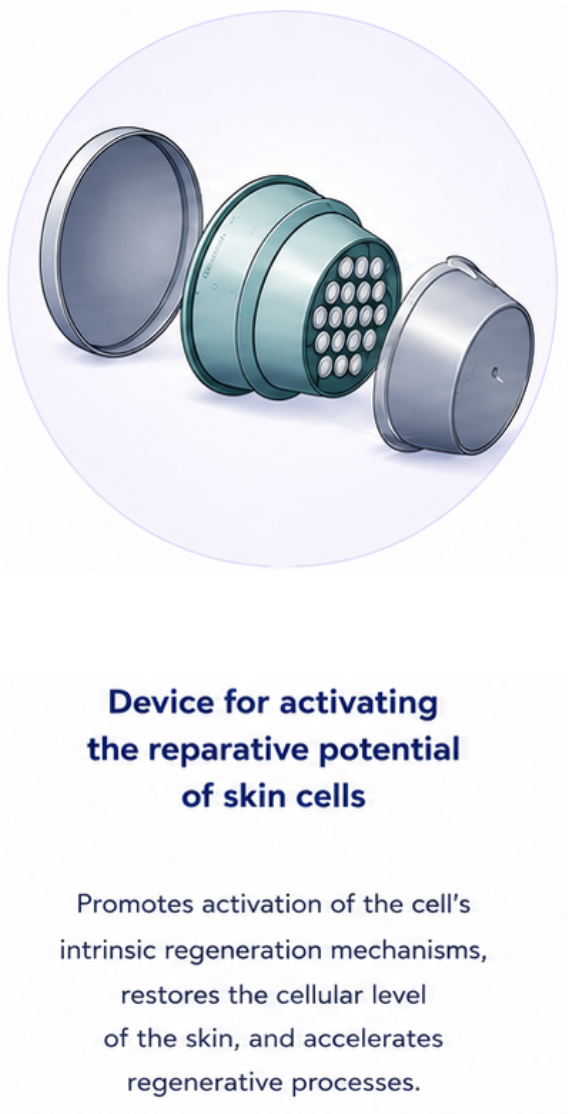
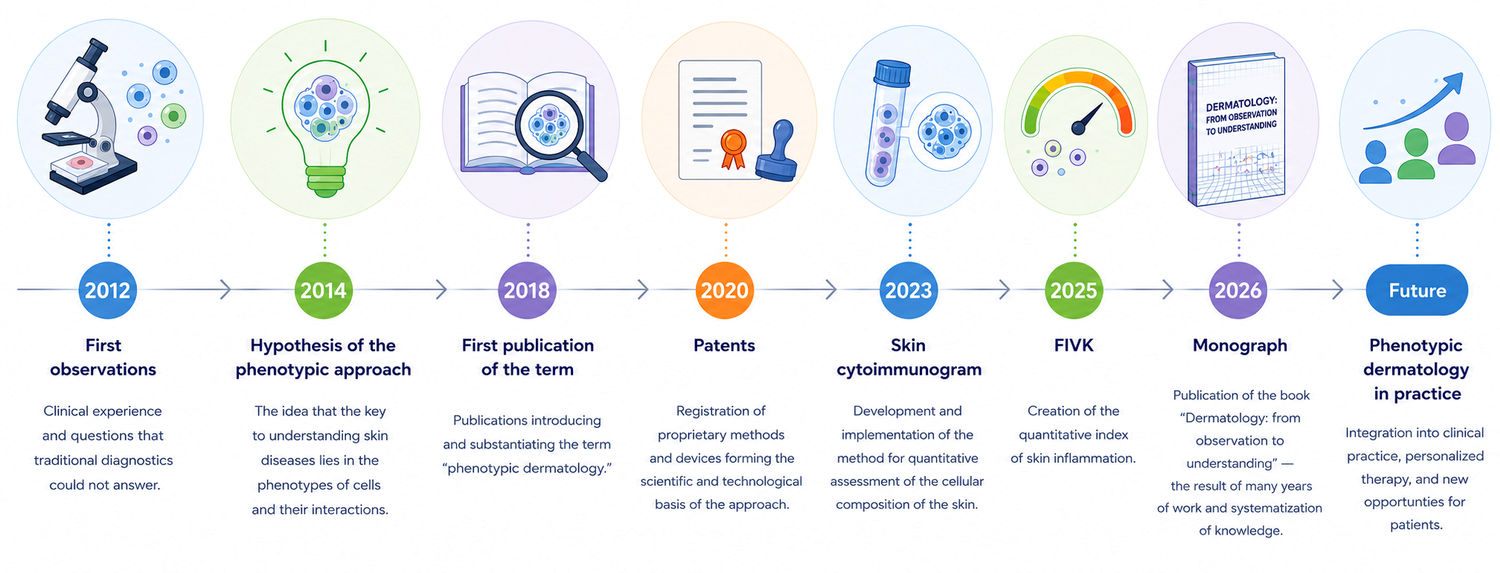
The theory is based on many years of research, patents, the development of a method for obtaining viable skin cells, skin cytoimmunograms, and other technologies. Its provisions continue to be developed and verified in scientific and clinical research.
Is it possible to use it in practice today?
Yes. Certain technologies of phenotypic dermatology are already used in scientific work, research and solving practical problems. As methods evolve and data accumulates, the scope of their application will expand.
Where is the training conducted?
Individual technologies and concepts of phenotypic dermatology are taught through educational programs, research projects, publications, and specialized events. Information about the available training formats is published on this website.
What is the "unit of measurement" in phenotypic dermatology?
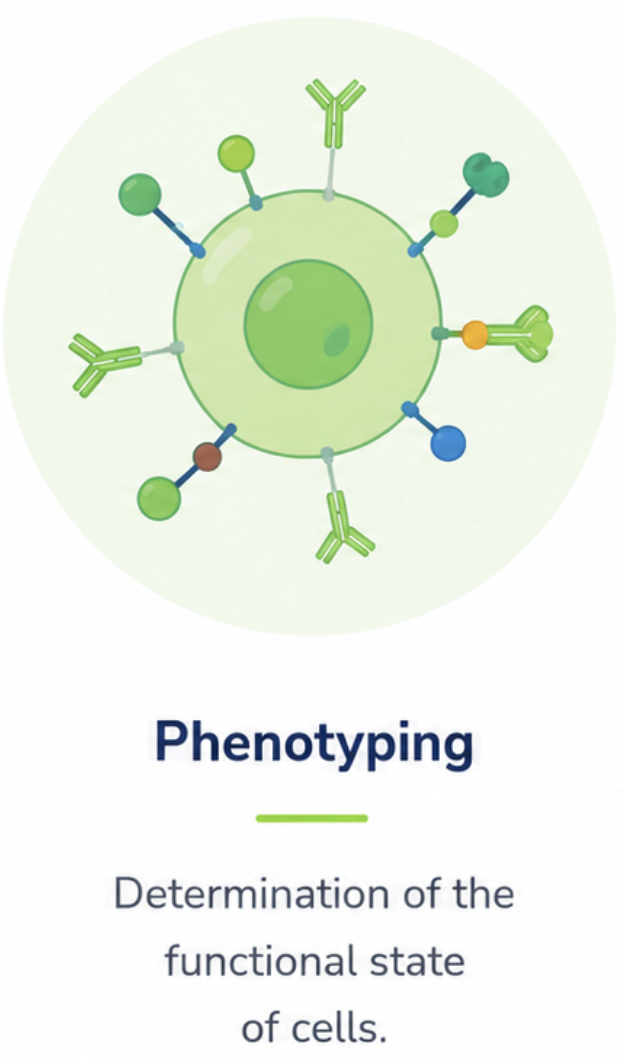
In phenotypic dermatology, the phenotype of a subpopulation of skin cells becomes the main unit of analysis — a set of its functional characteristics that determine the role of the cell in the norm and in the disease. It is the phenotype that allows us to move from describing the symptoms to understanding the mechanisms of the pathological process.
Why is this important to the patient?
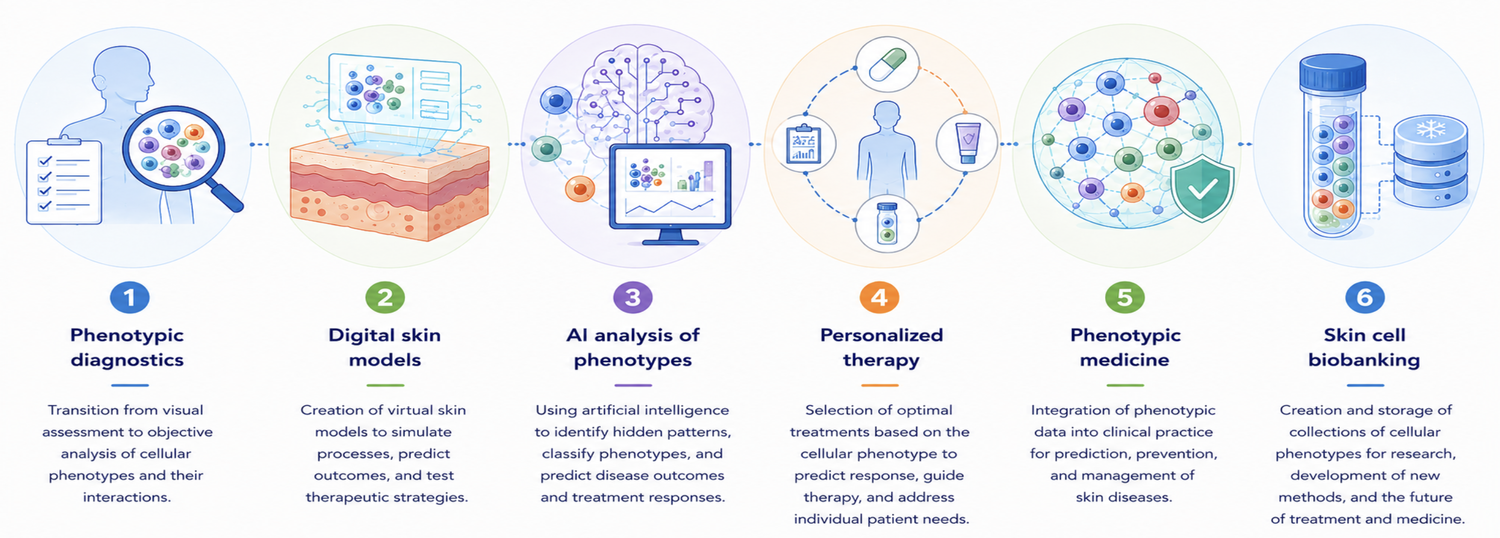
Because treatment should be based not only on what the doctor sees, but also on what is happening in the skin at the cellular level. This approach opens up opportunities for more accurate diagnosis, personalized therapy, and an objective assessment of treatment outcomes.
What has changed for you personally?
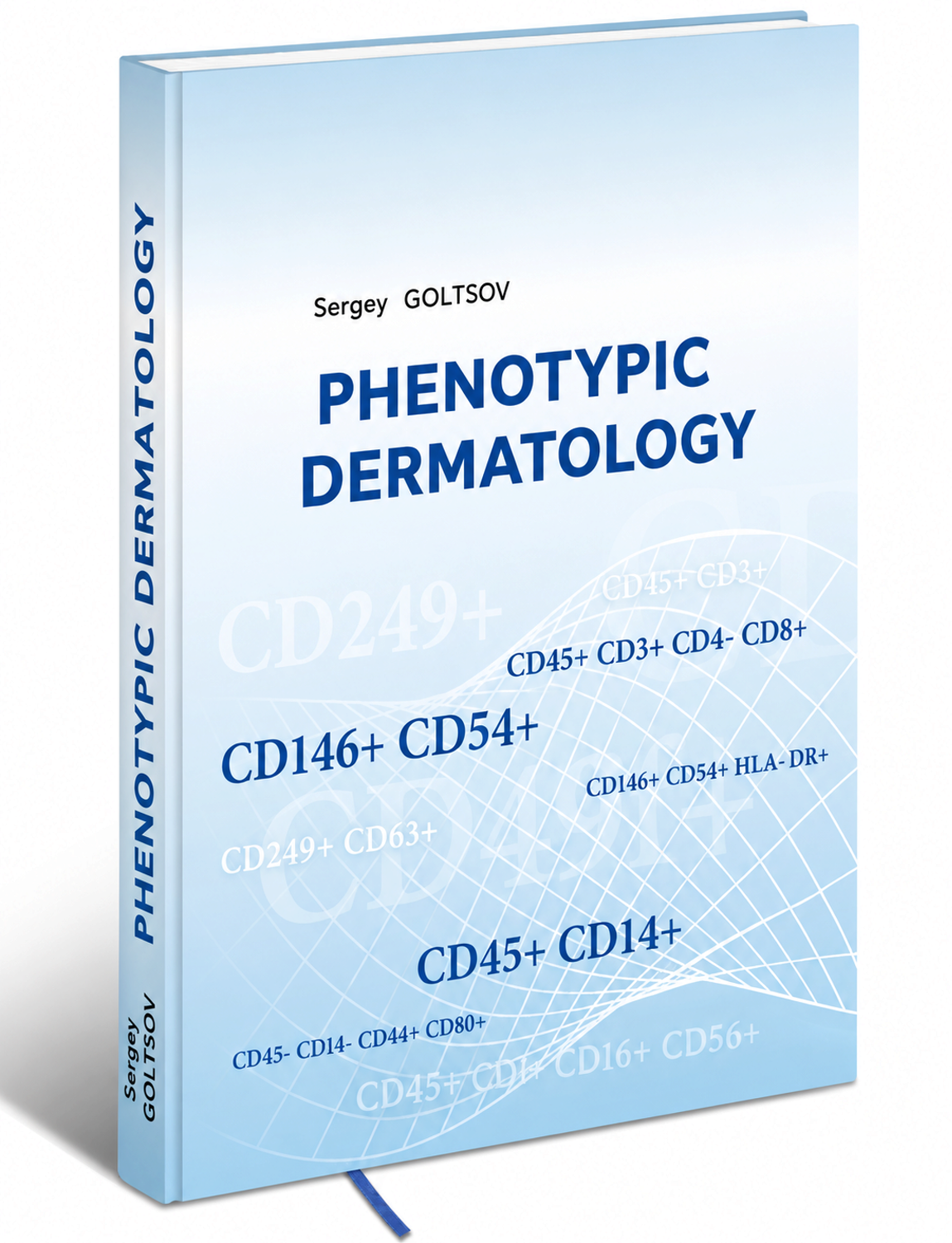
This theory has changed me too. If earlier I was looking for answers in symptoms (this is well shown in the first book), today I am looking for them in the relationships between cells. If earlier, for me as a doctor, the disease looked like a set of signs, now I see it as a violation of communication within a living system.